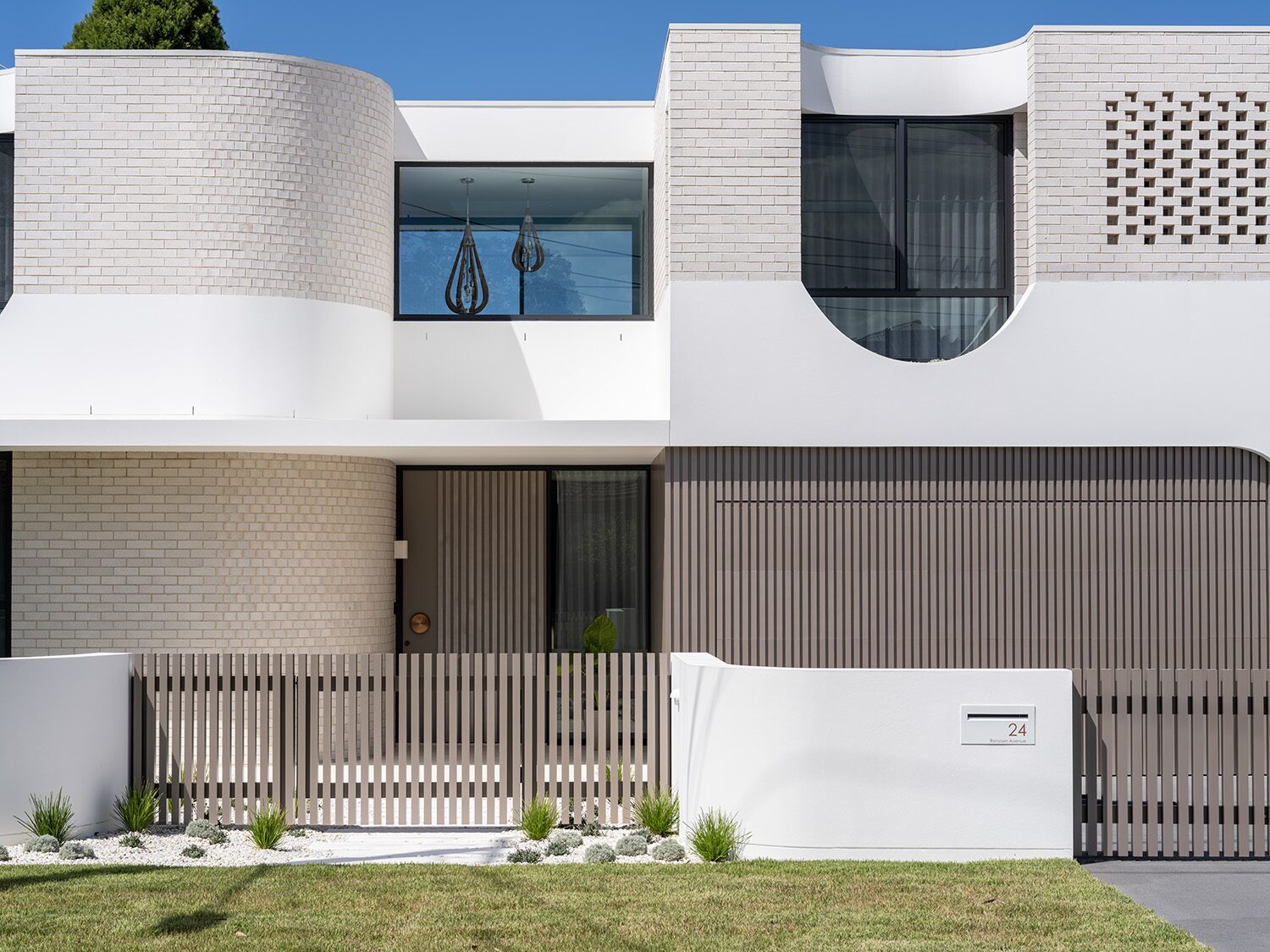
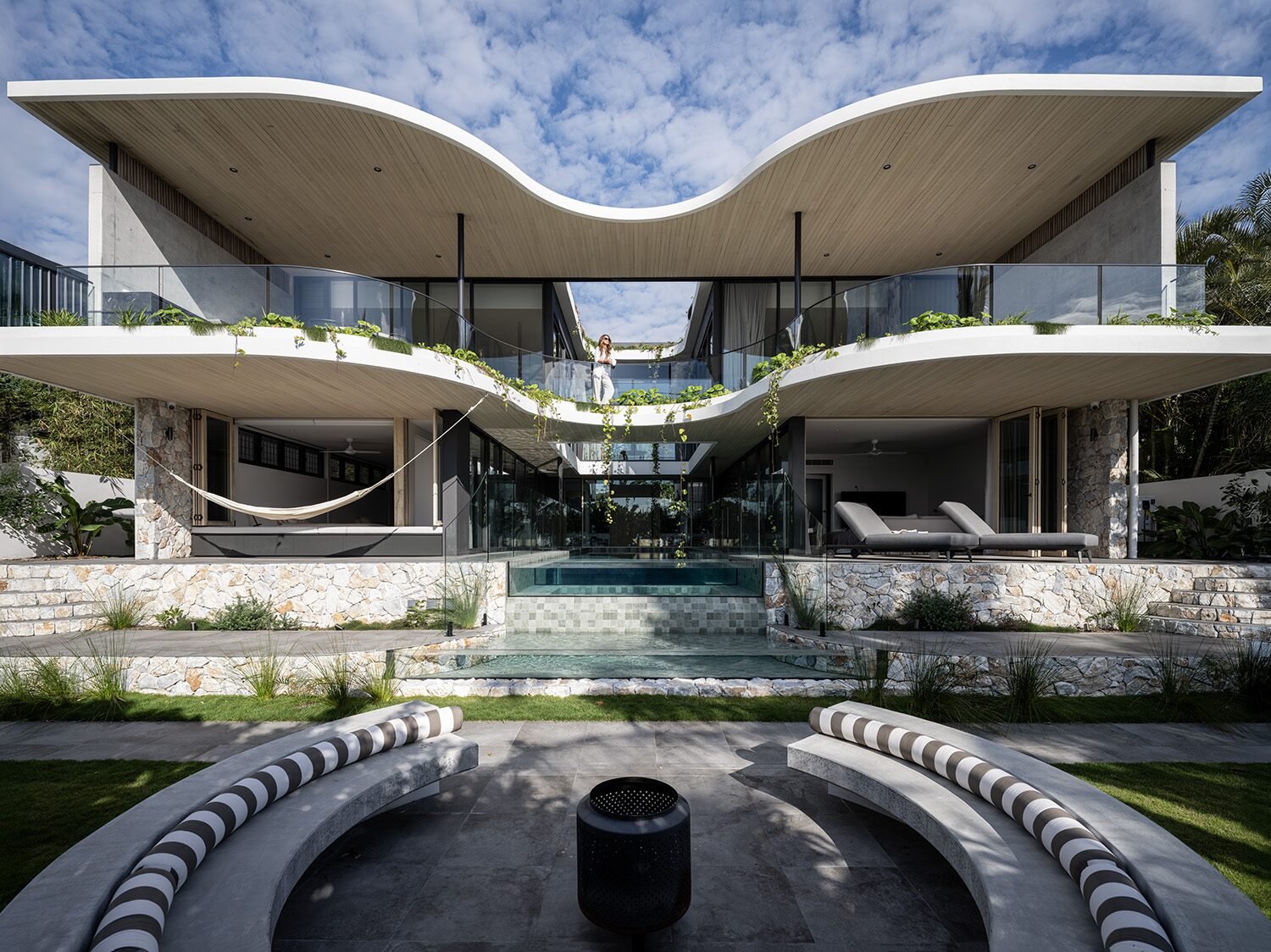
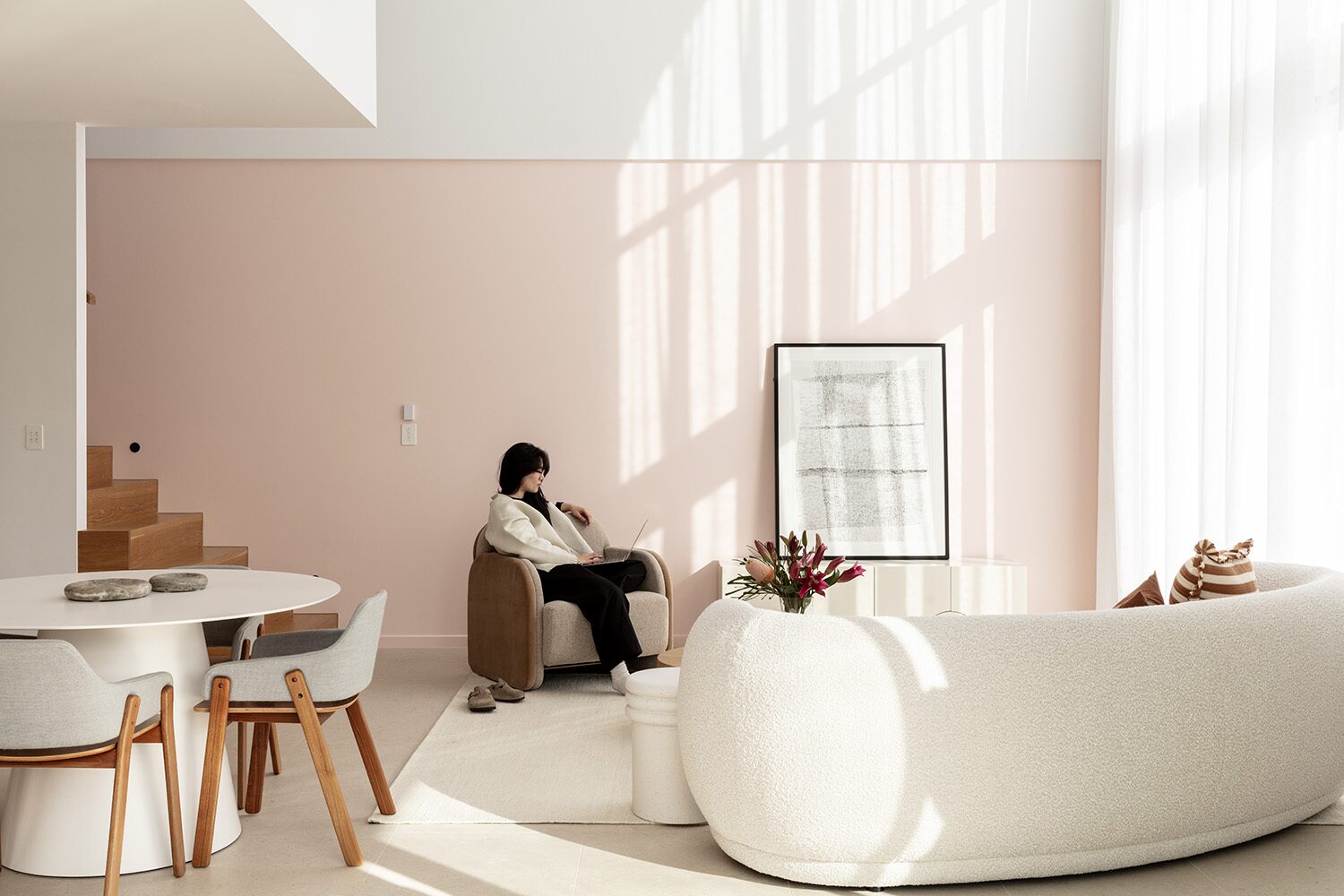
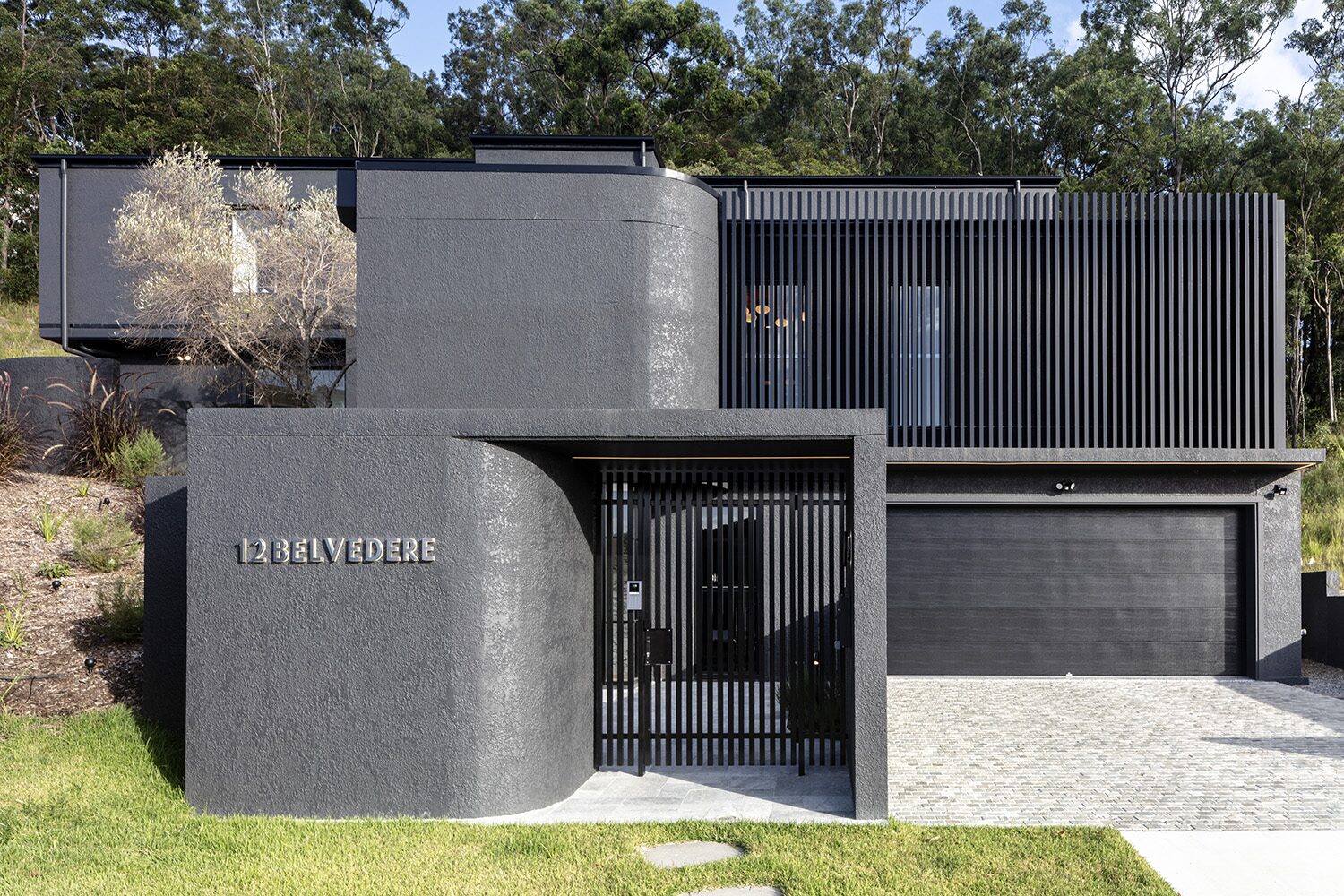
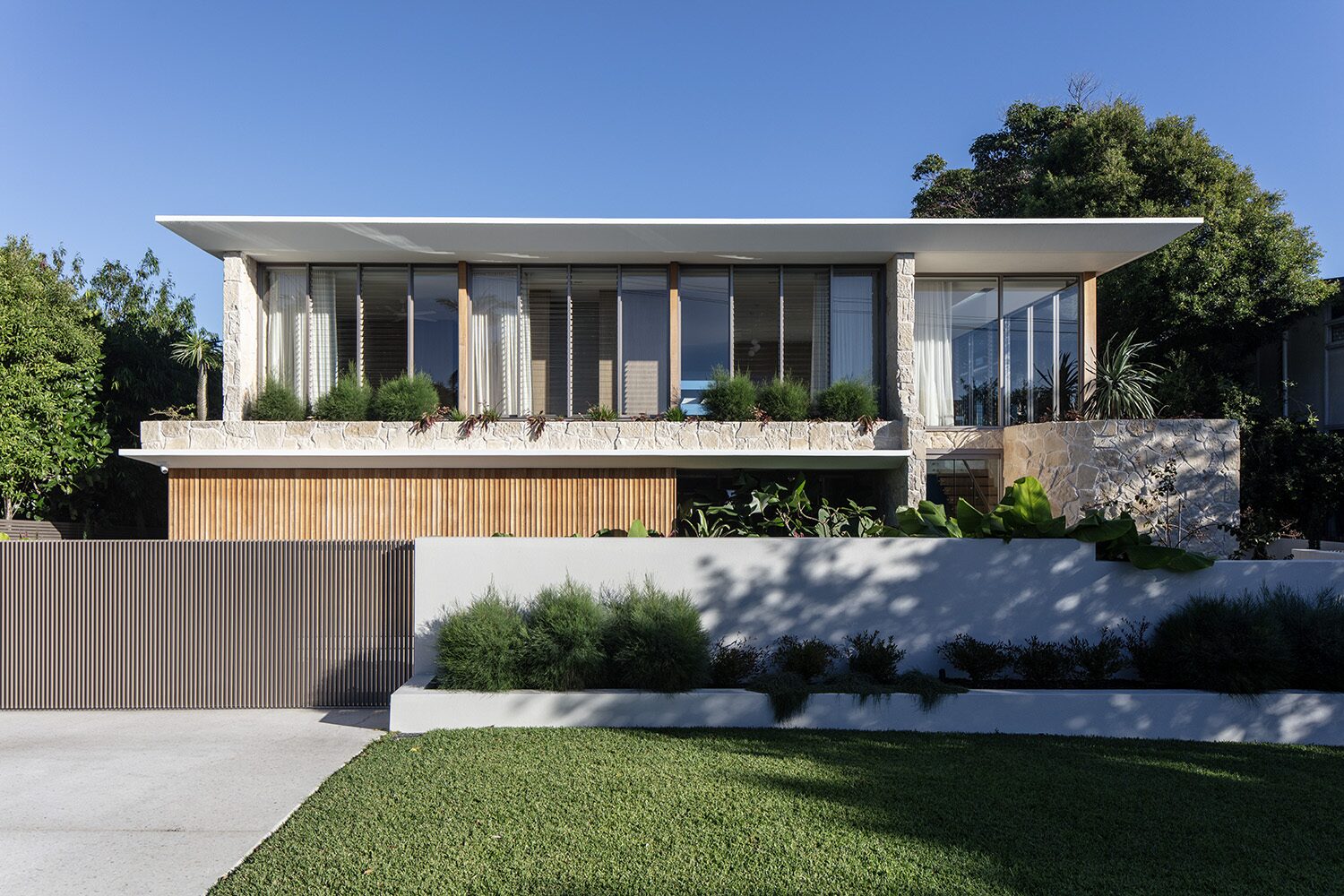
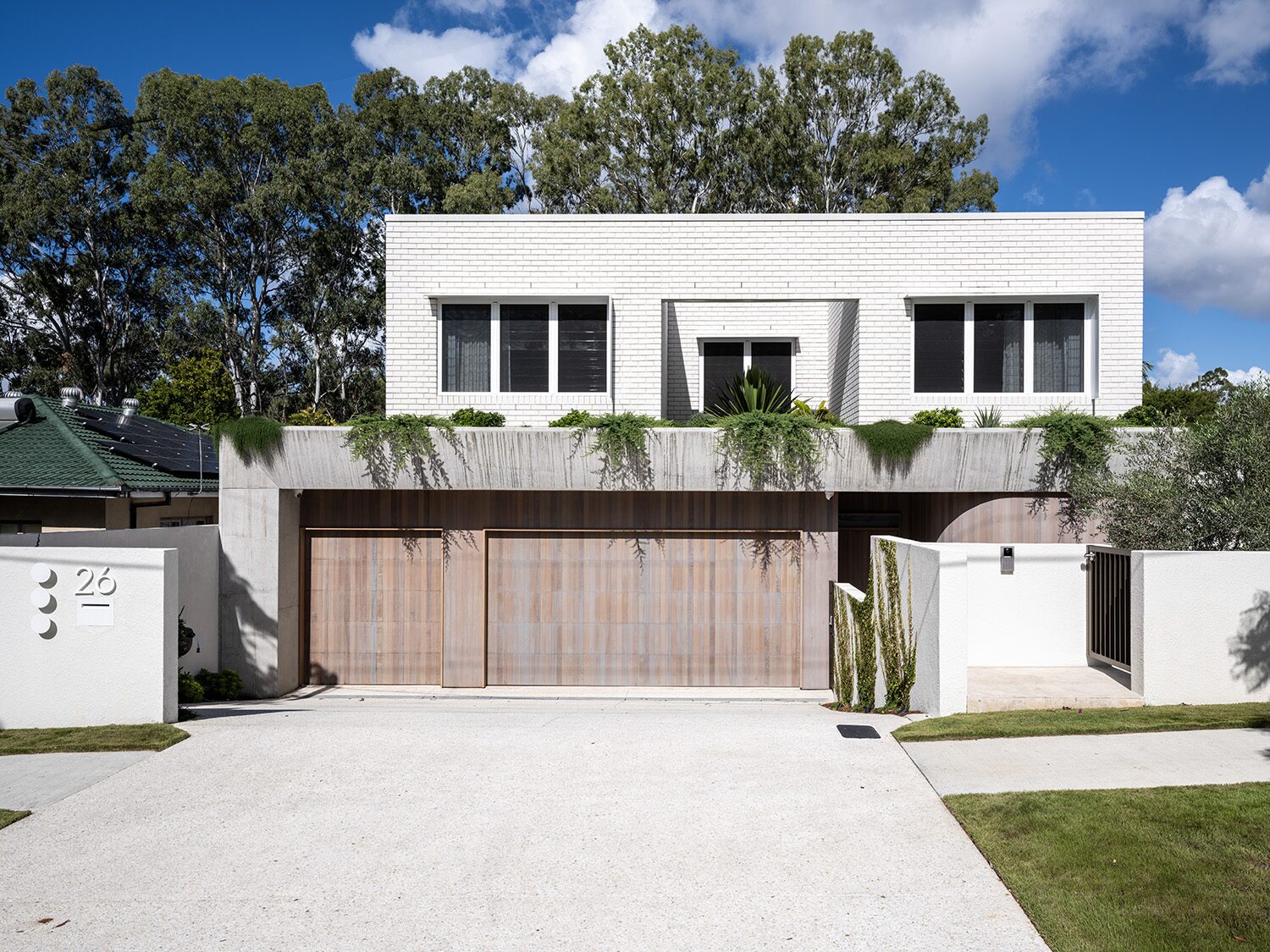
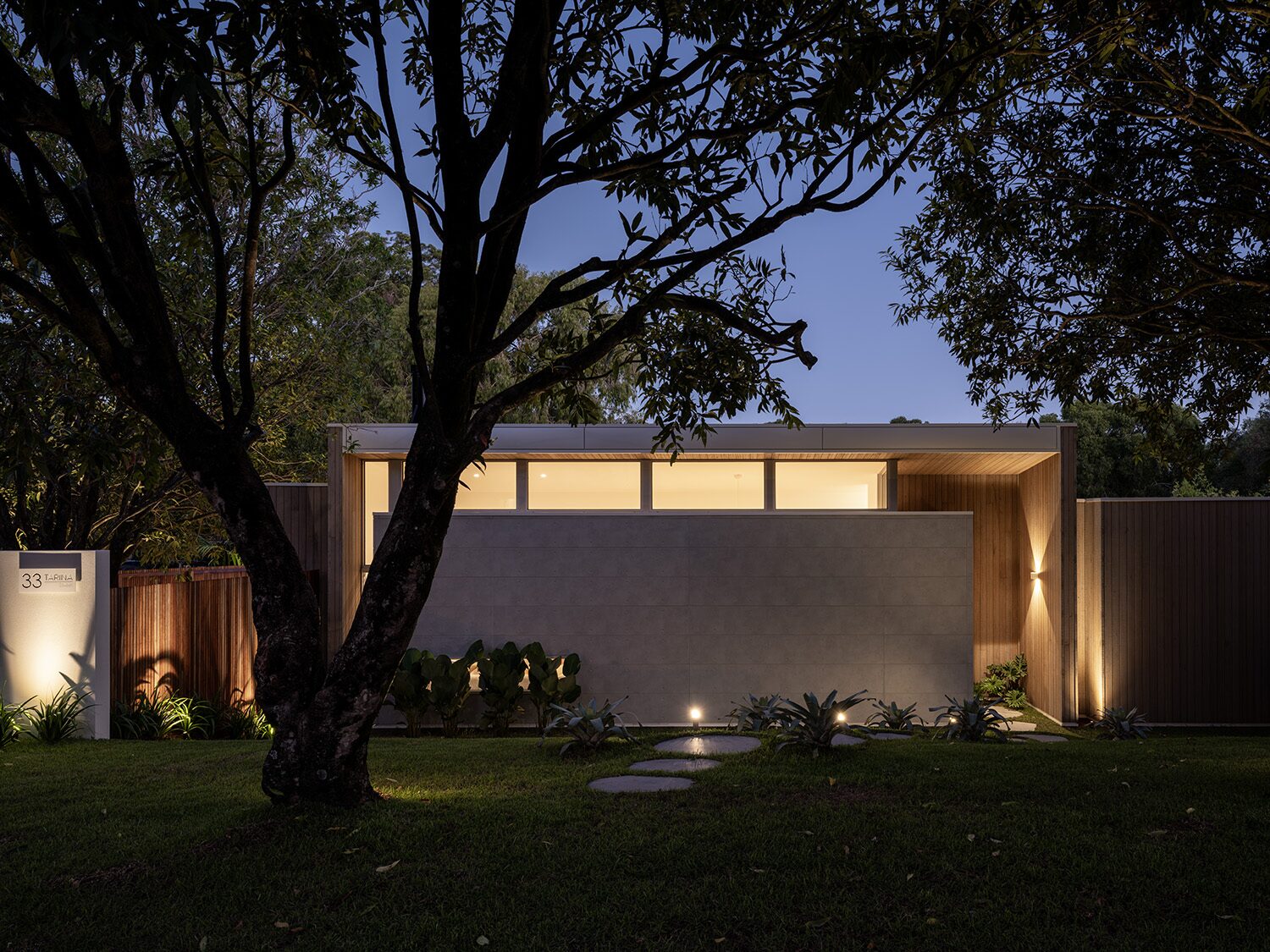
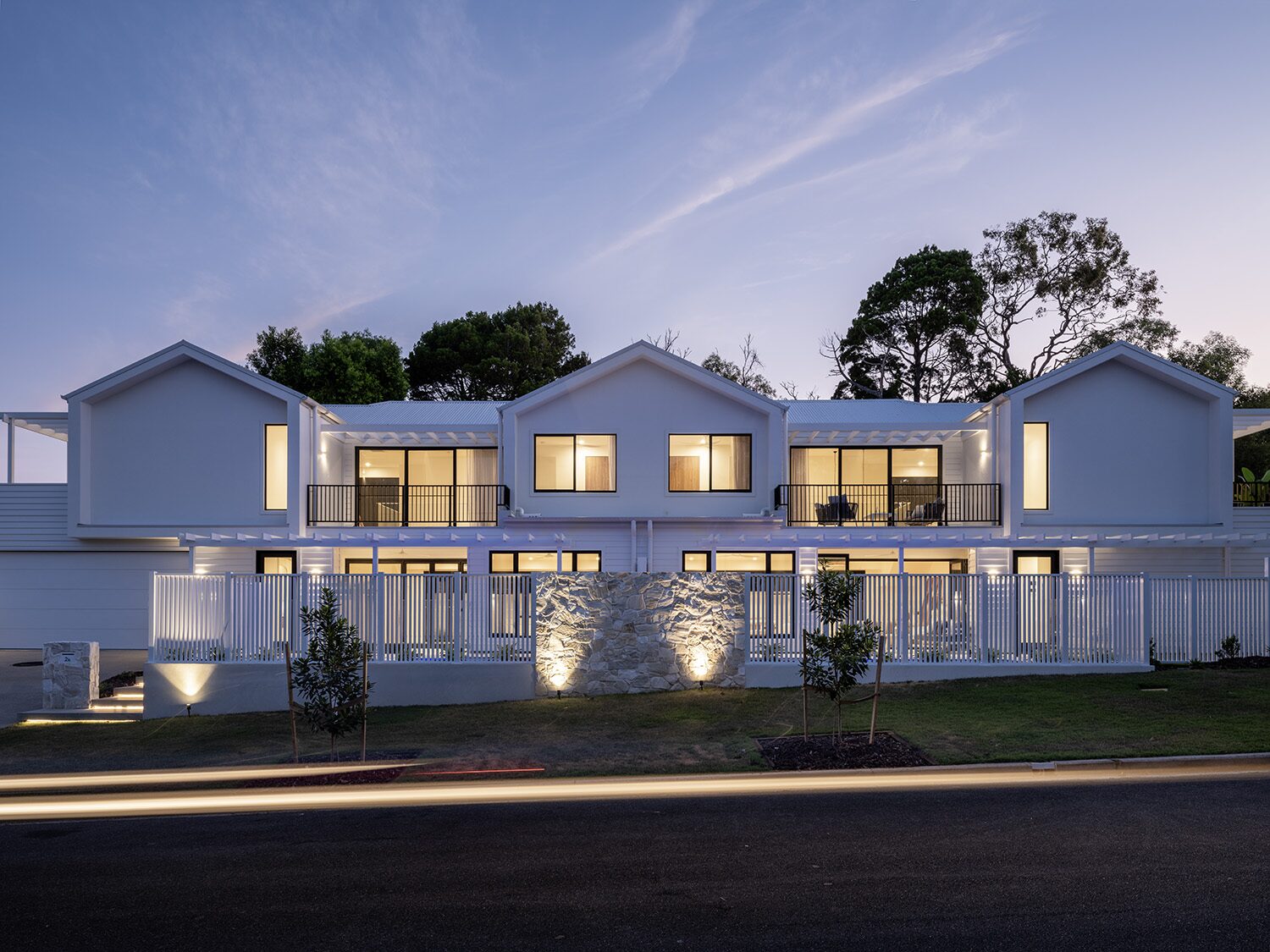
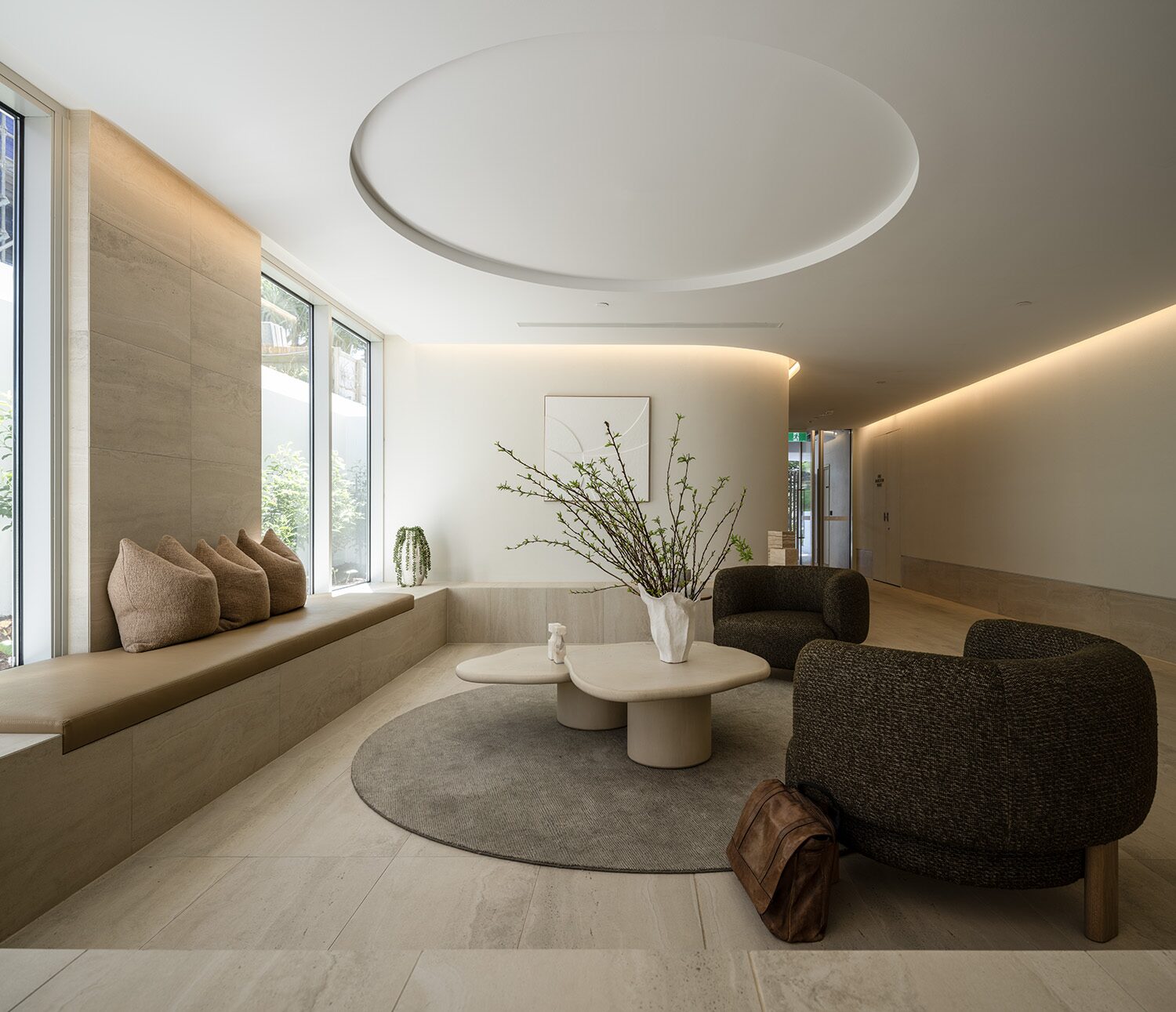
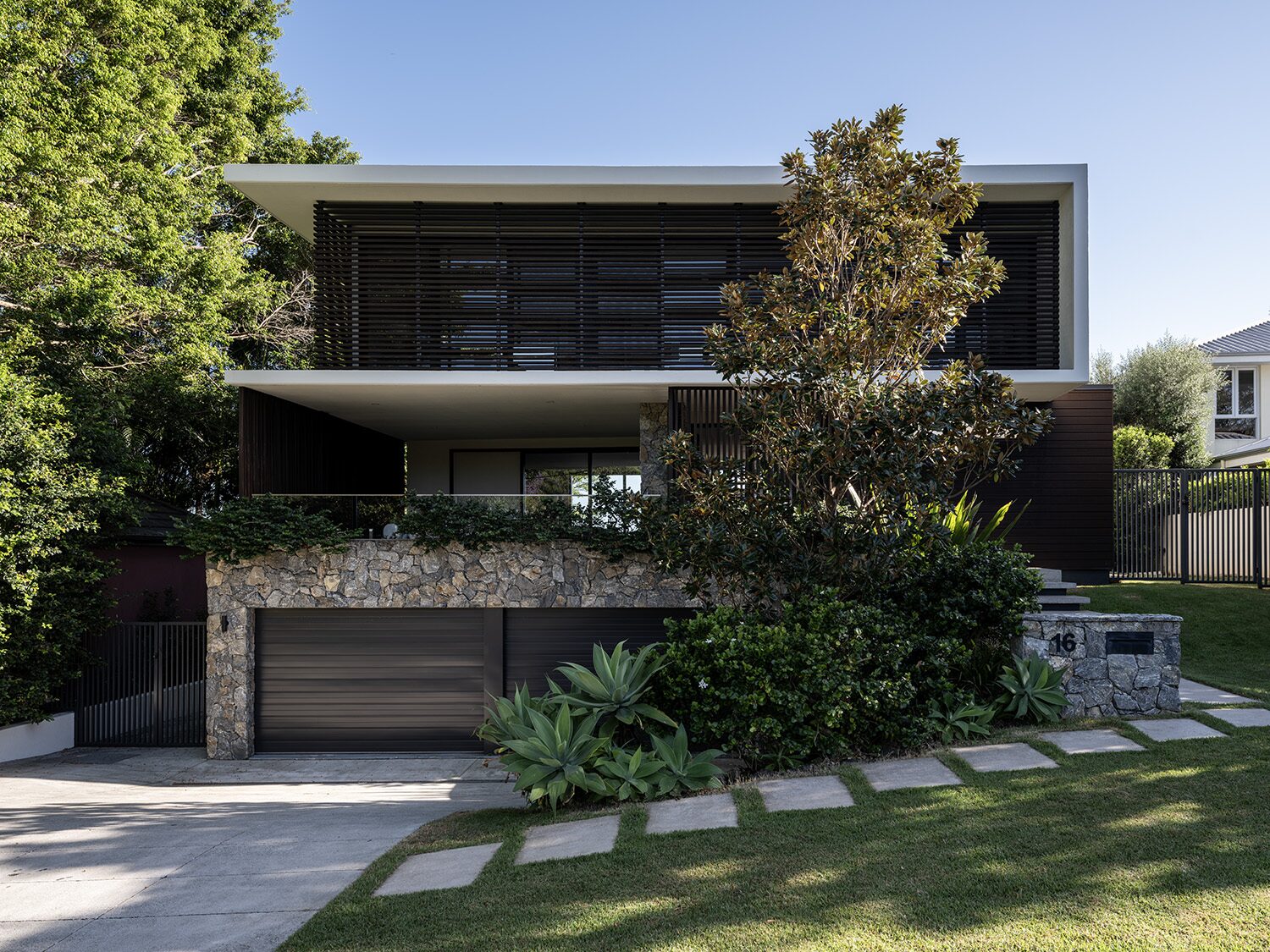
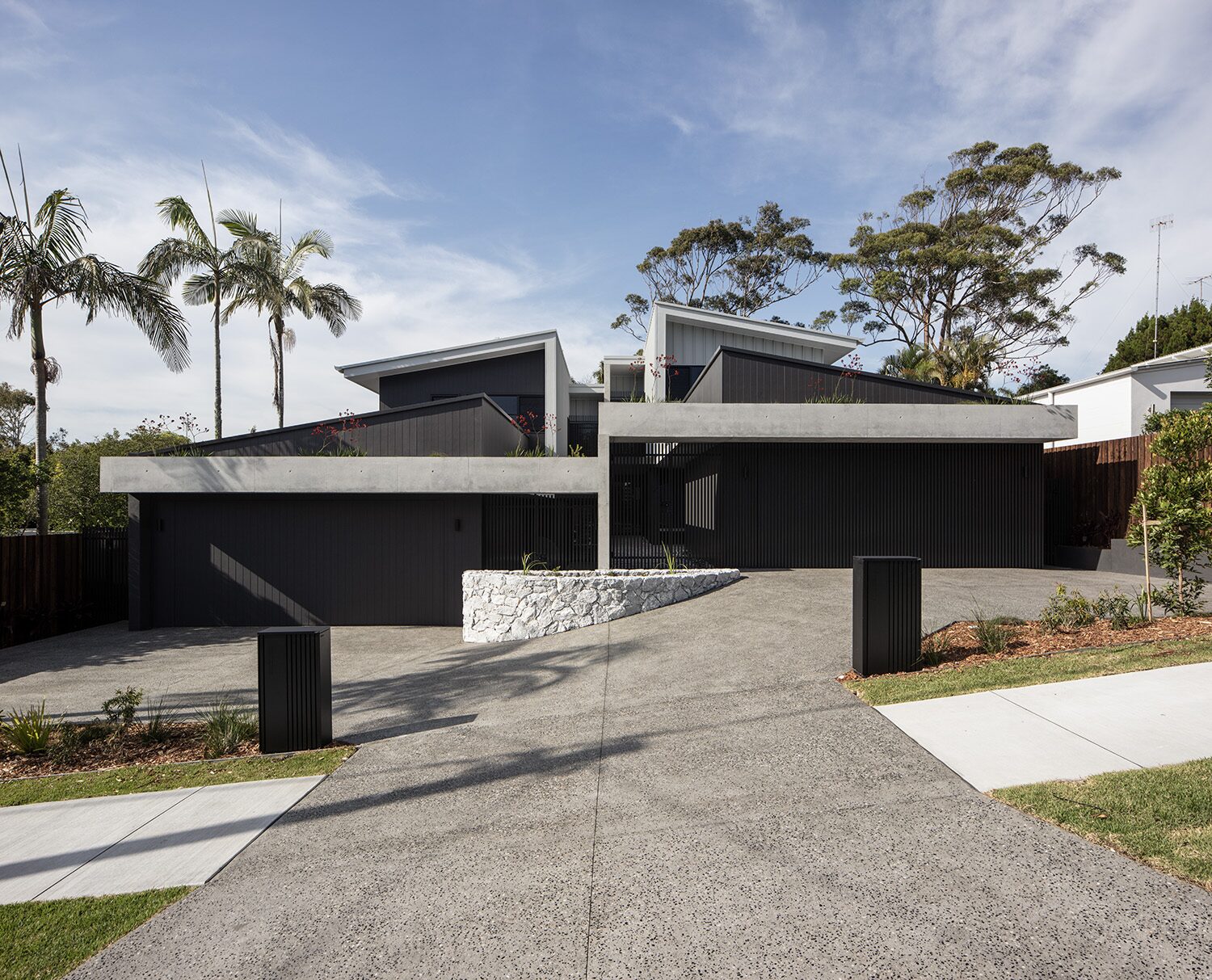
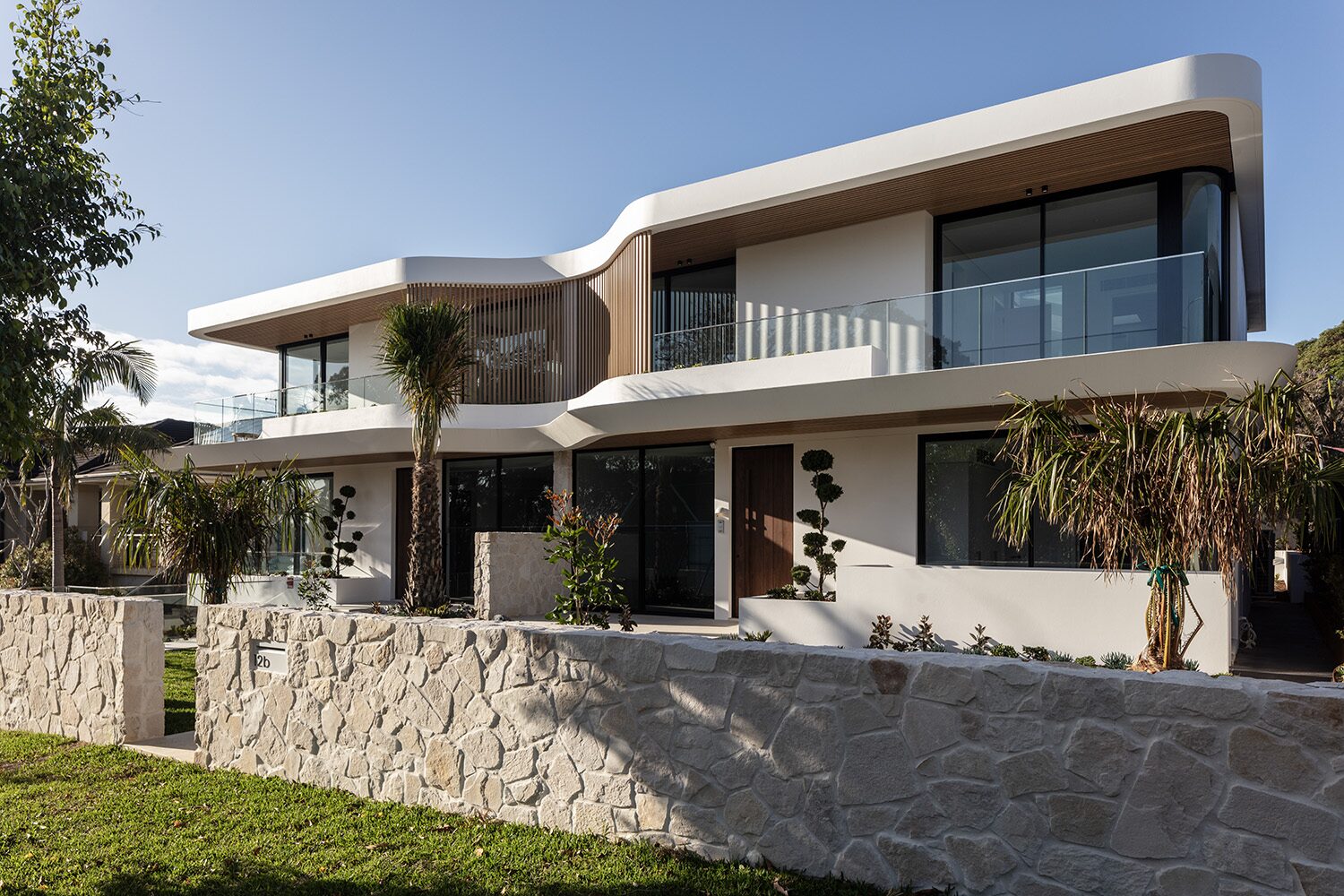
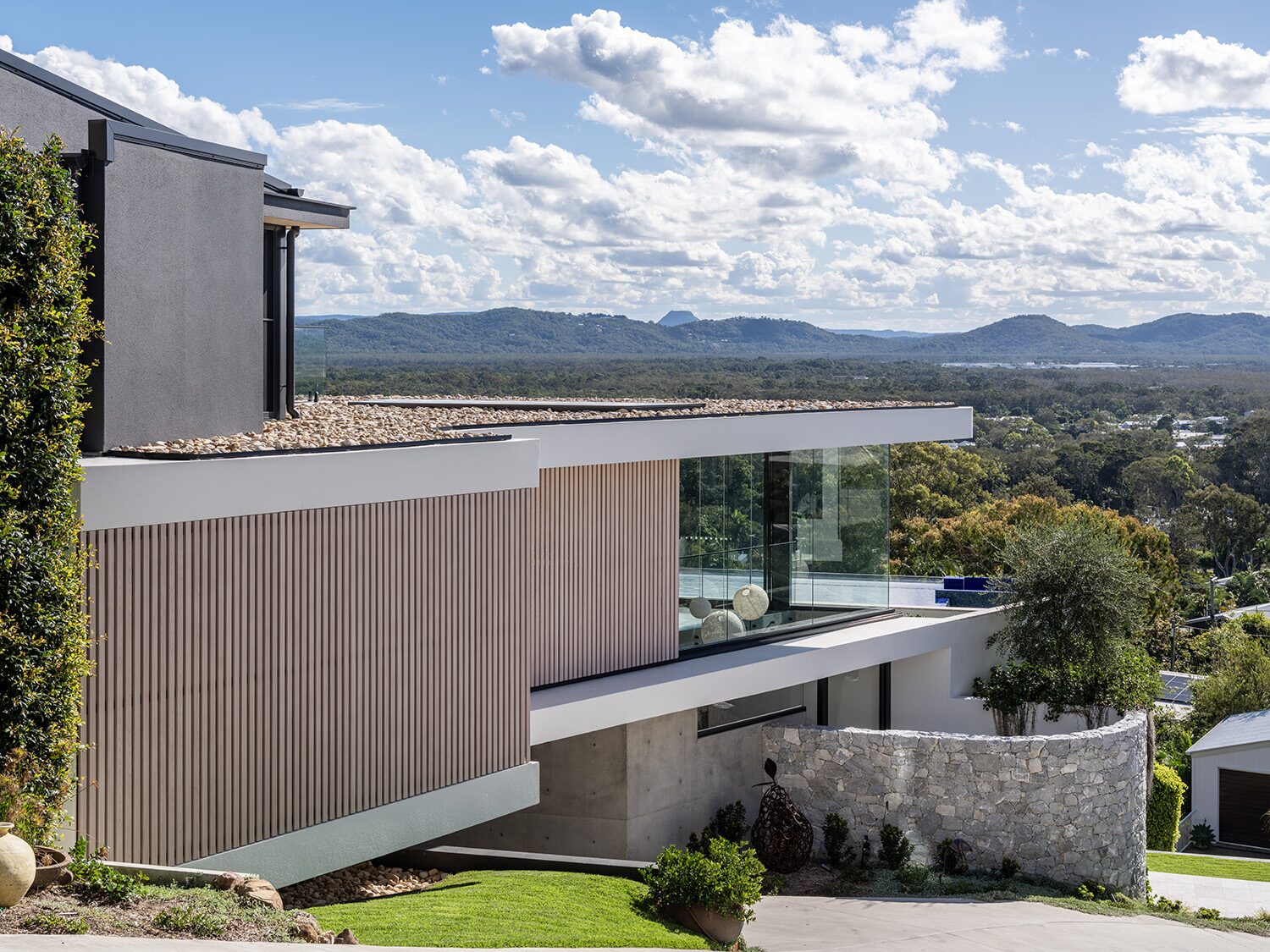
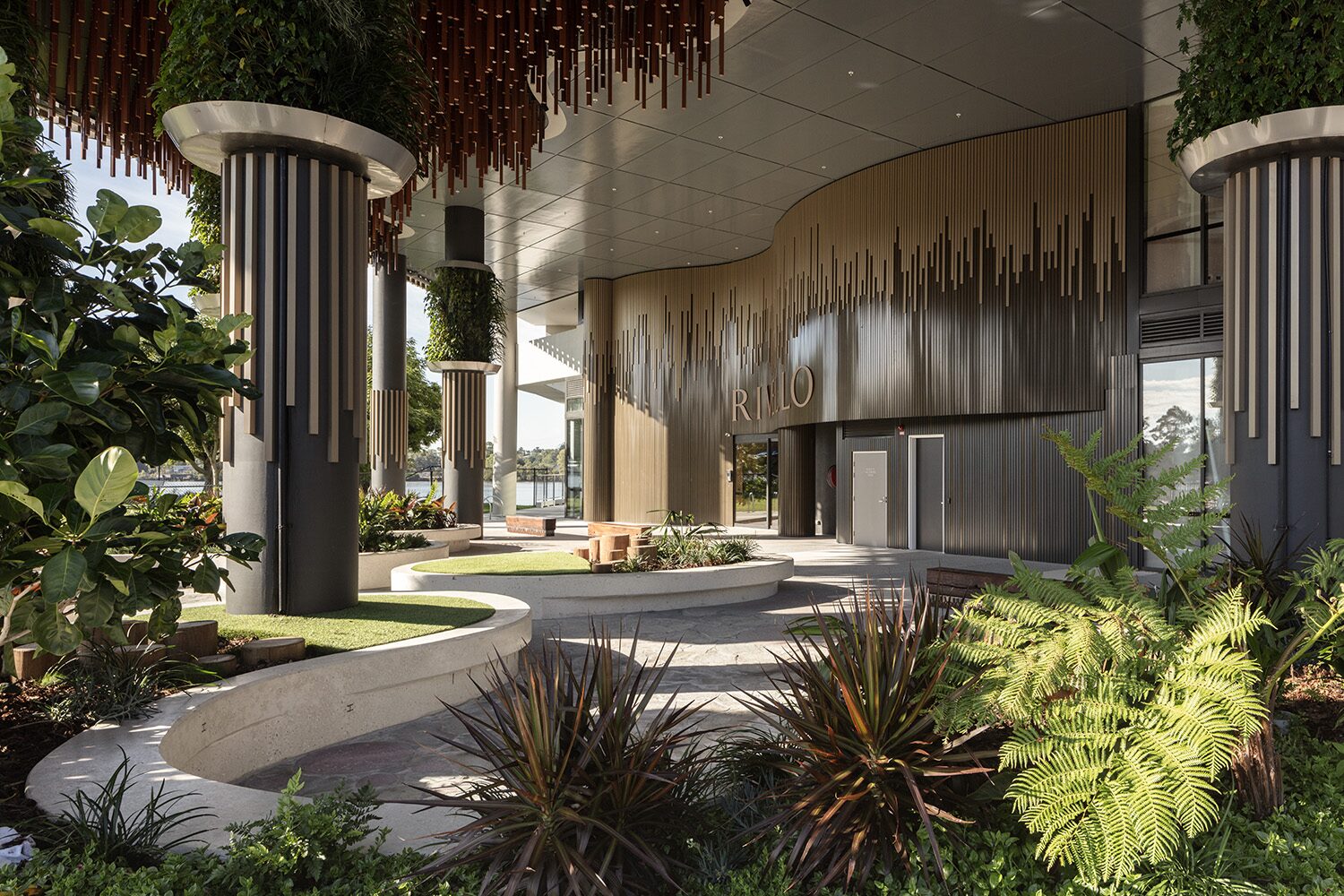
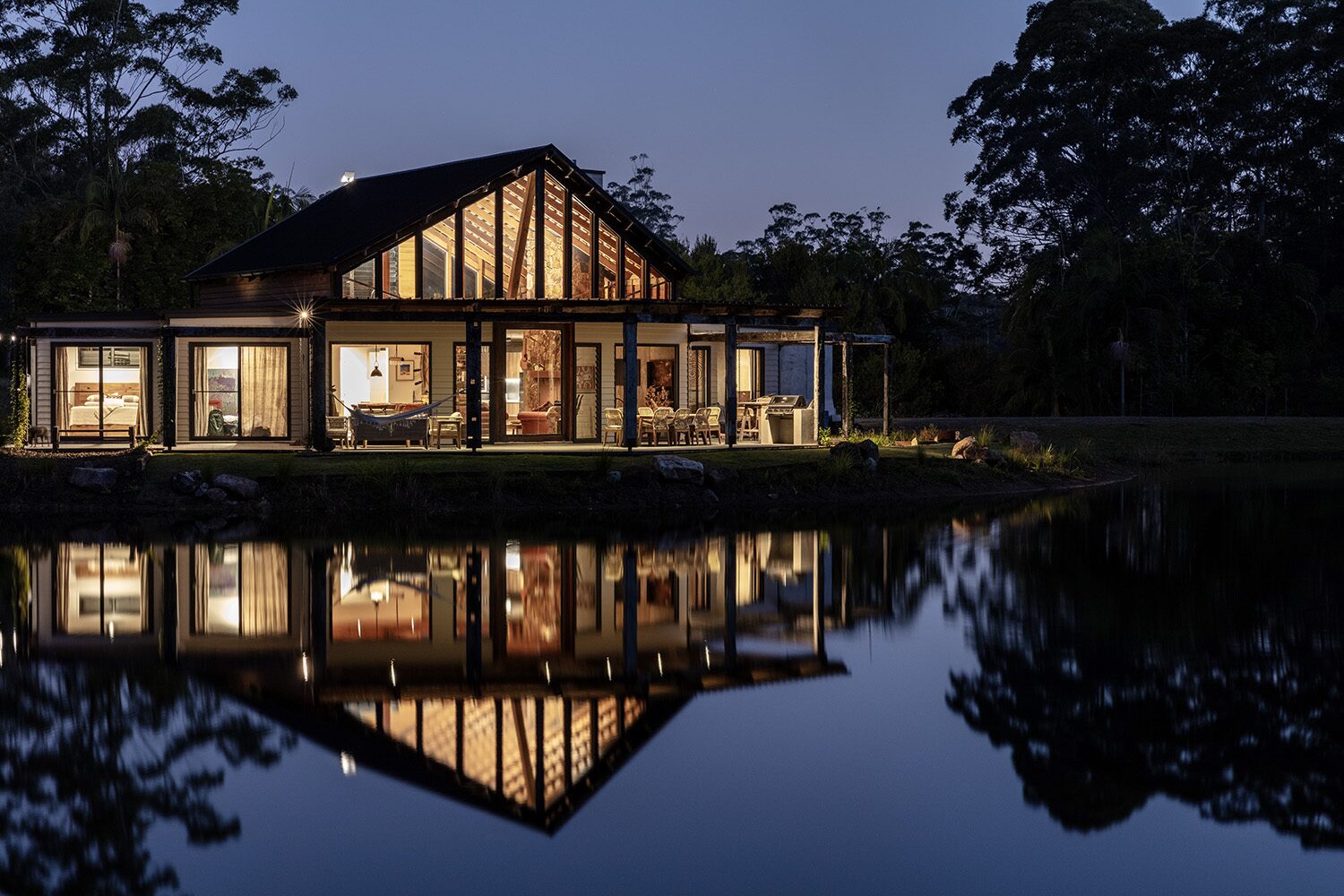
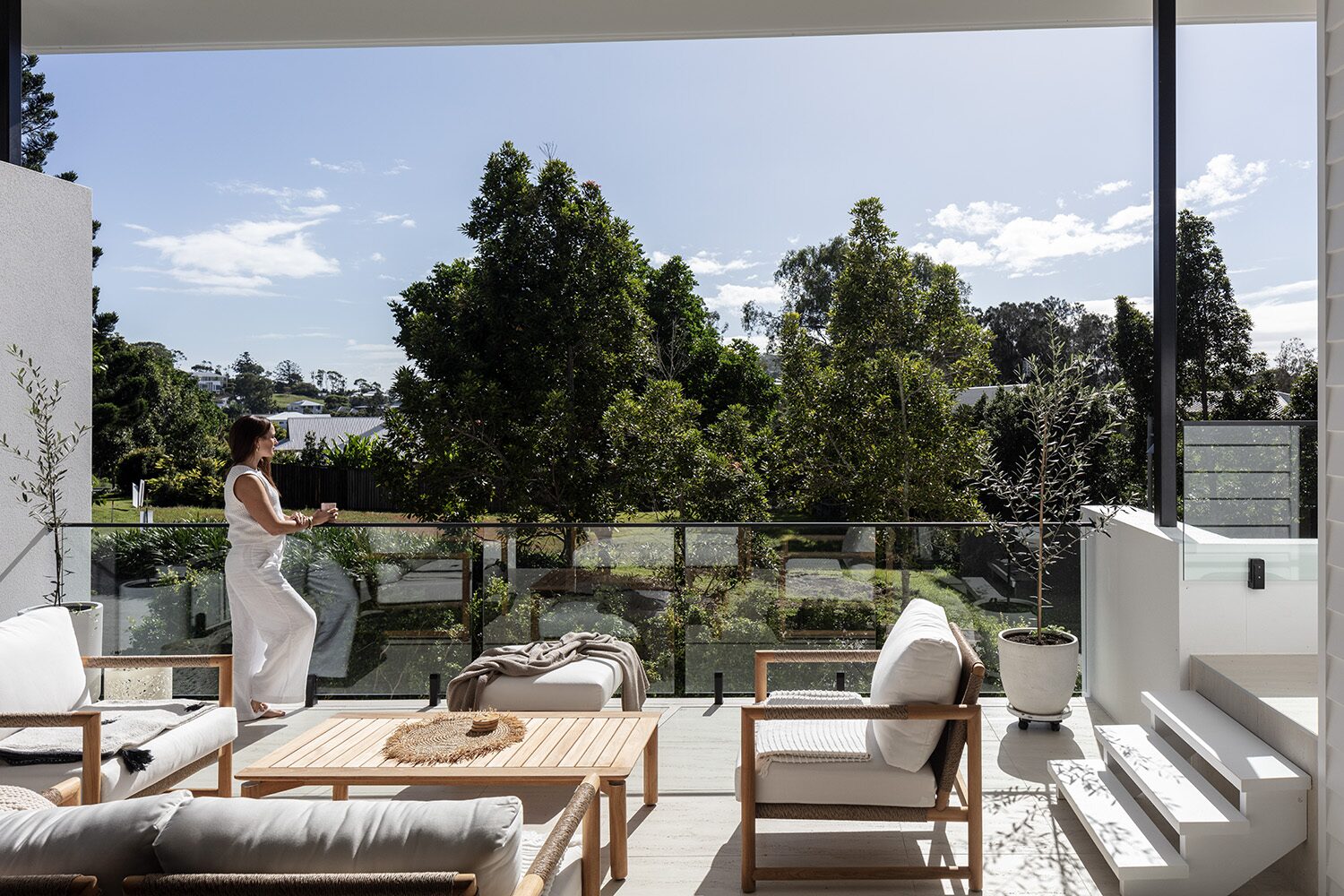
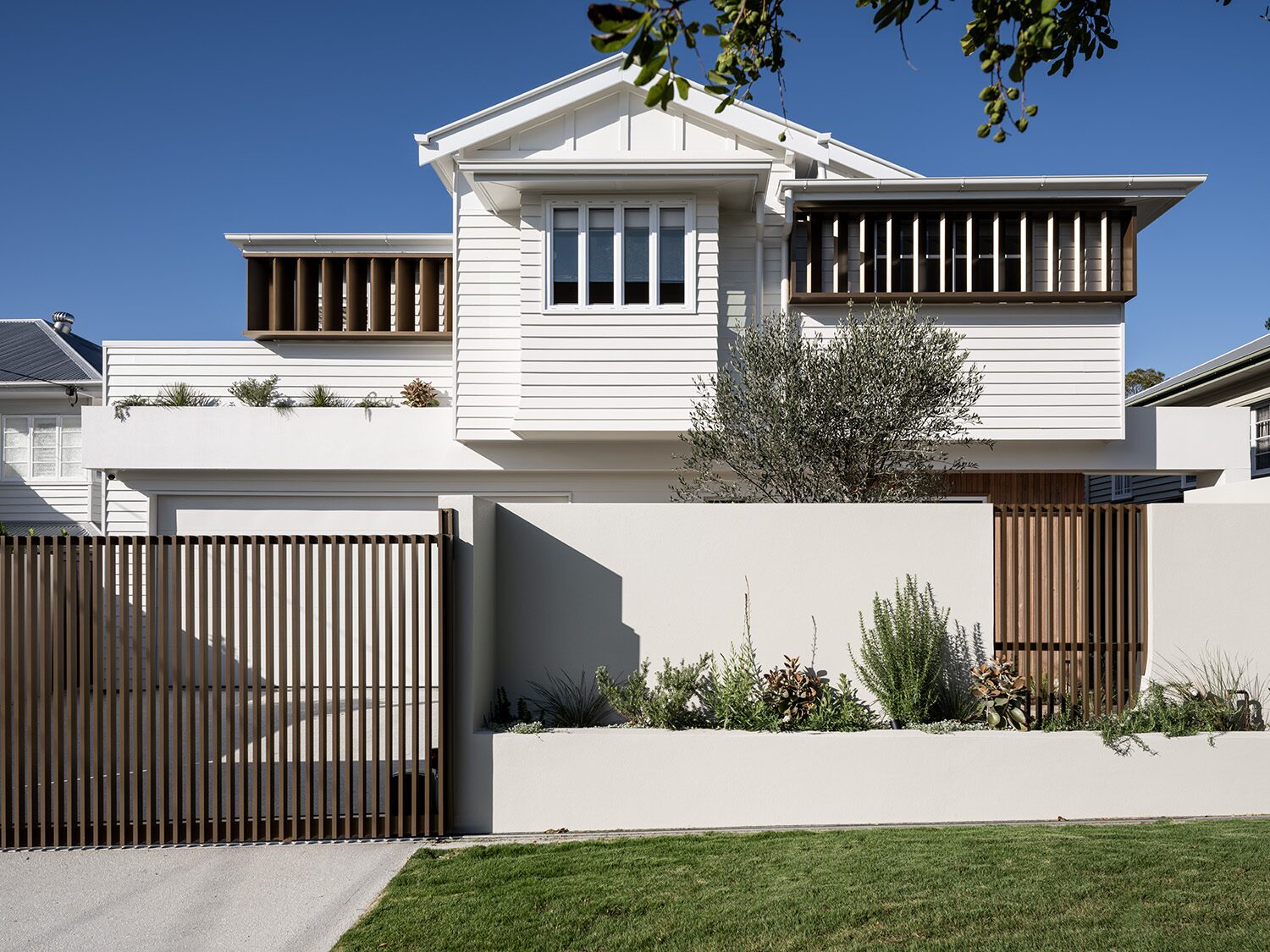
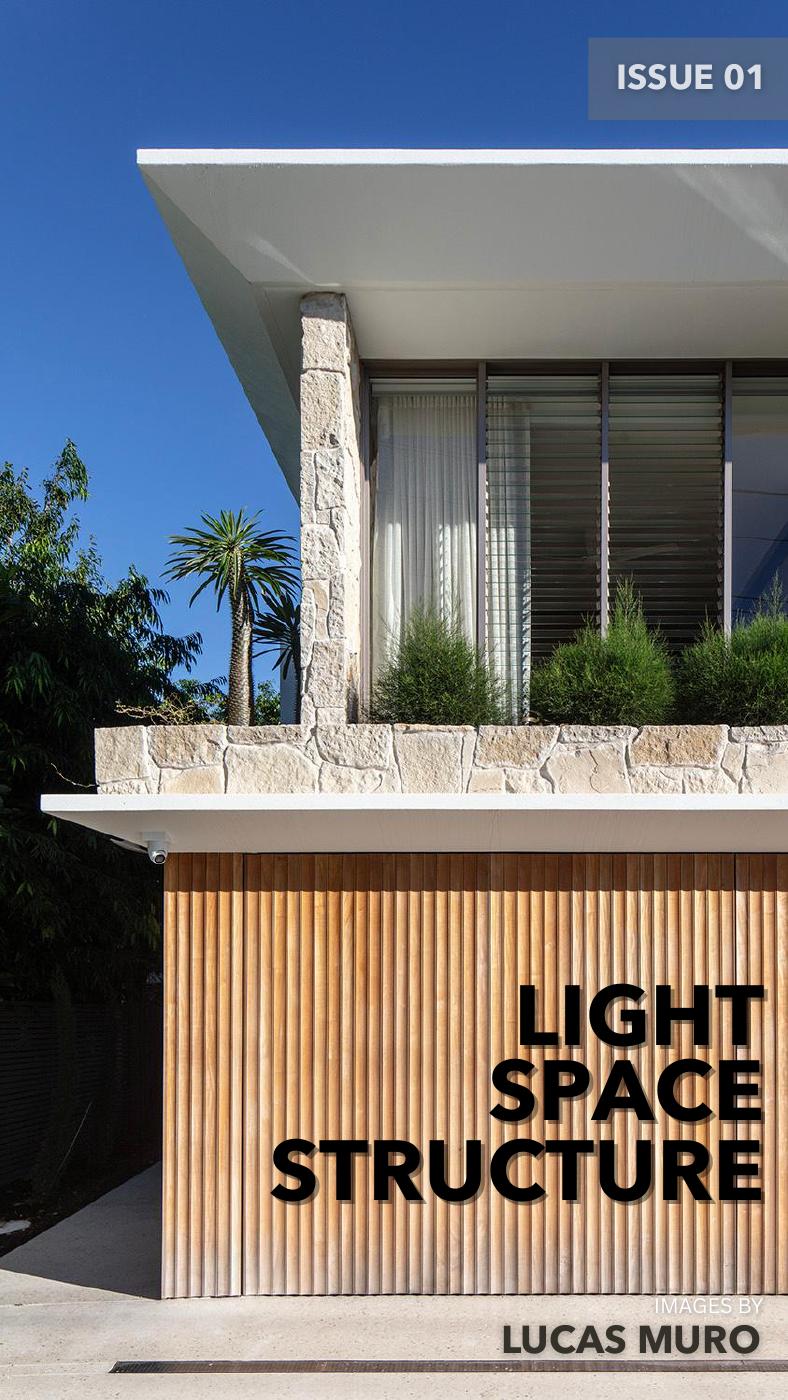
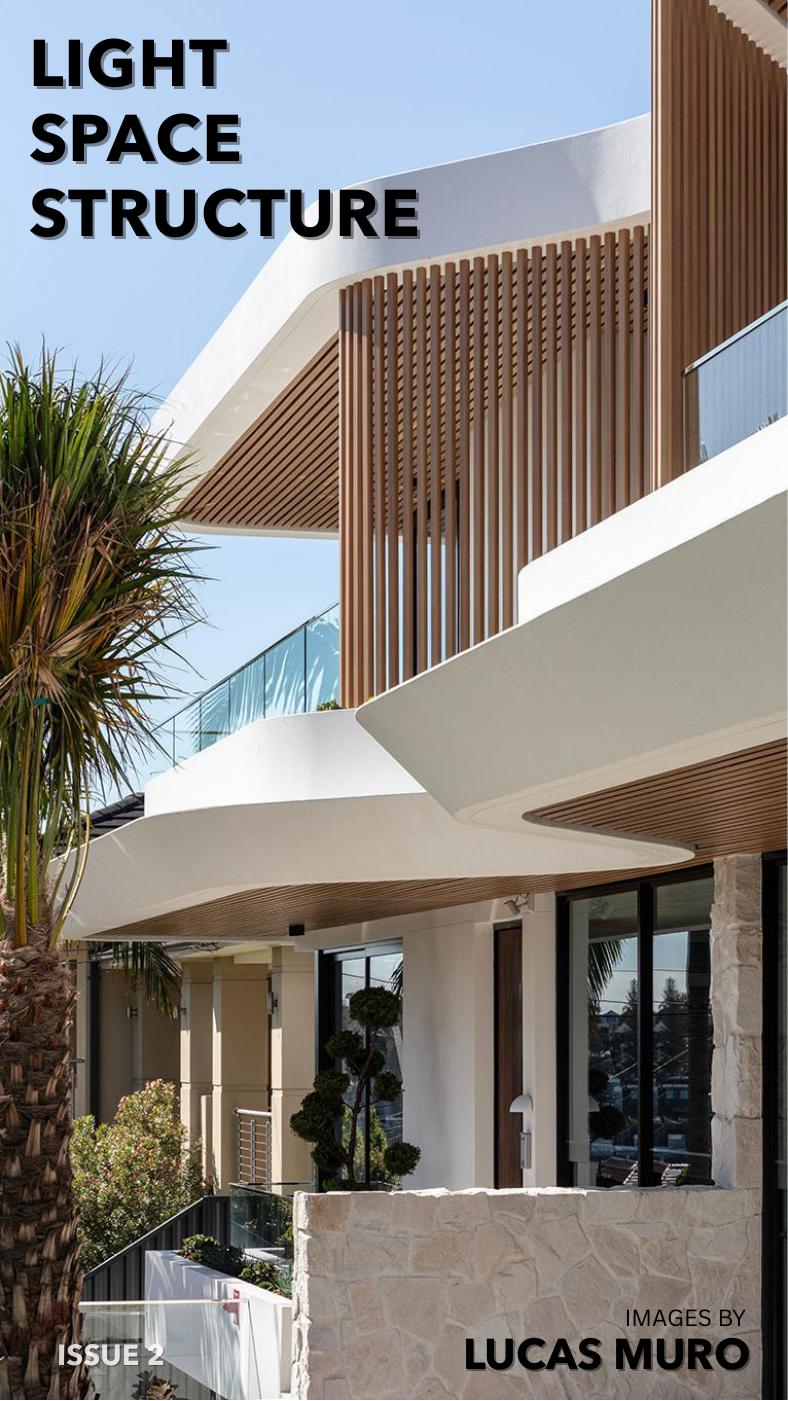
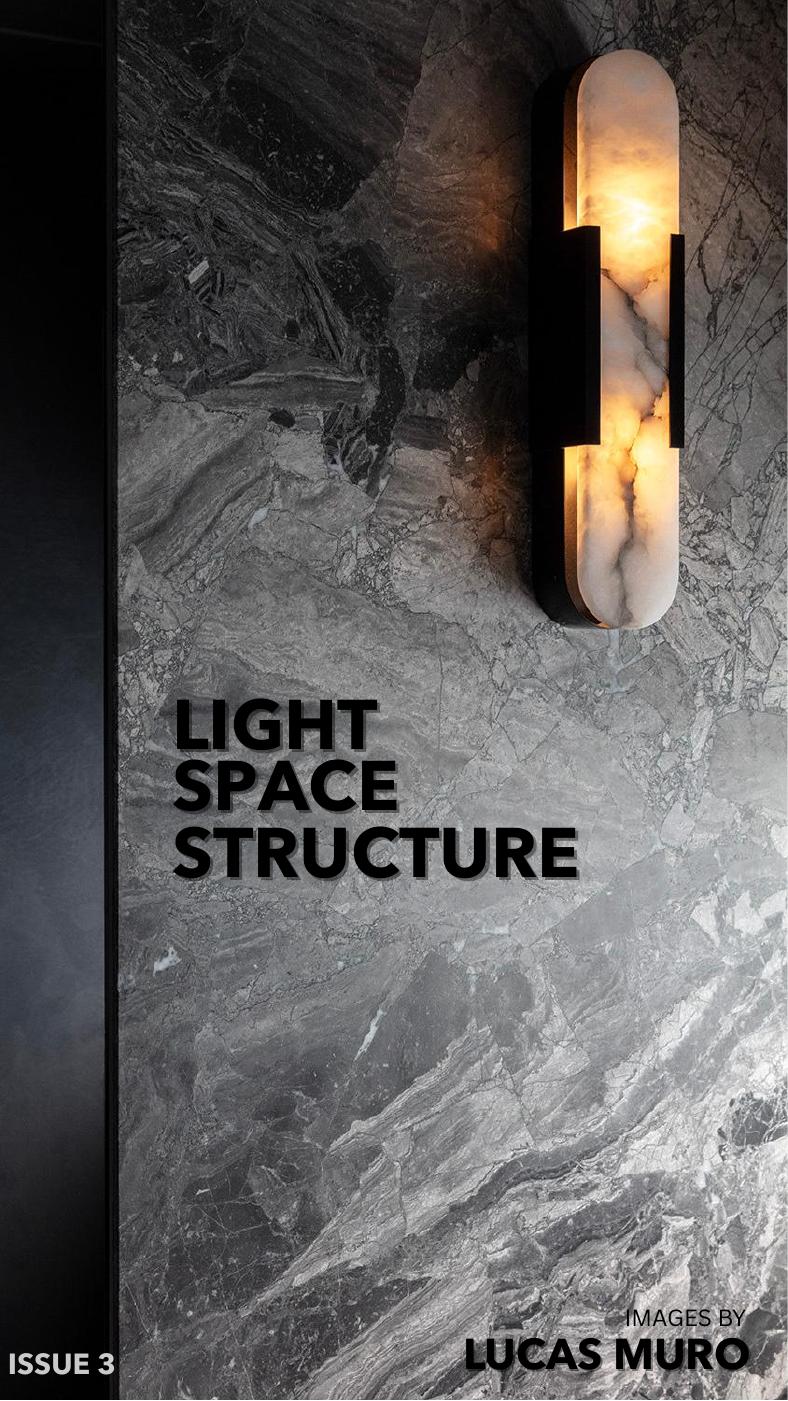
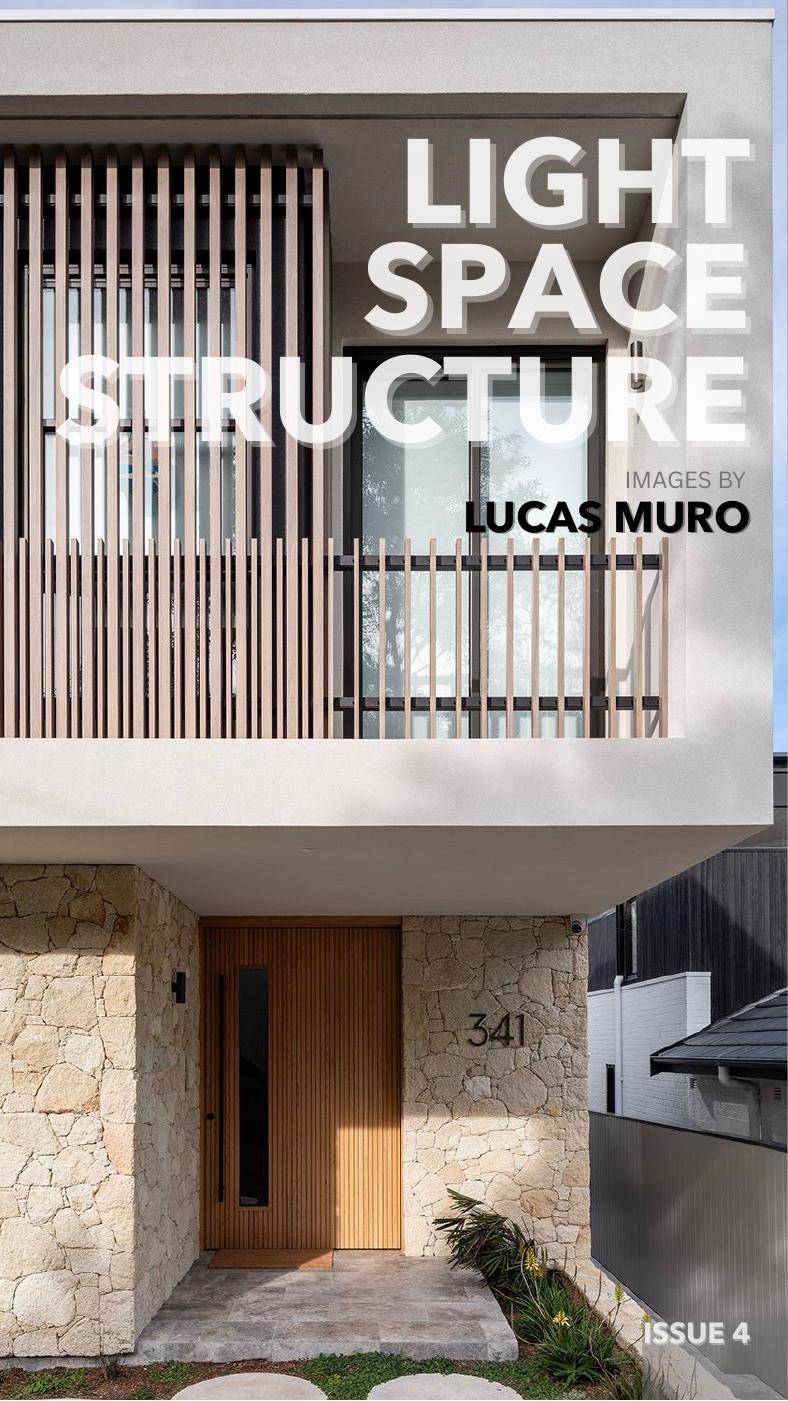
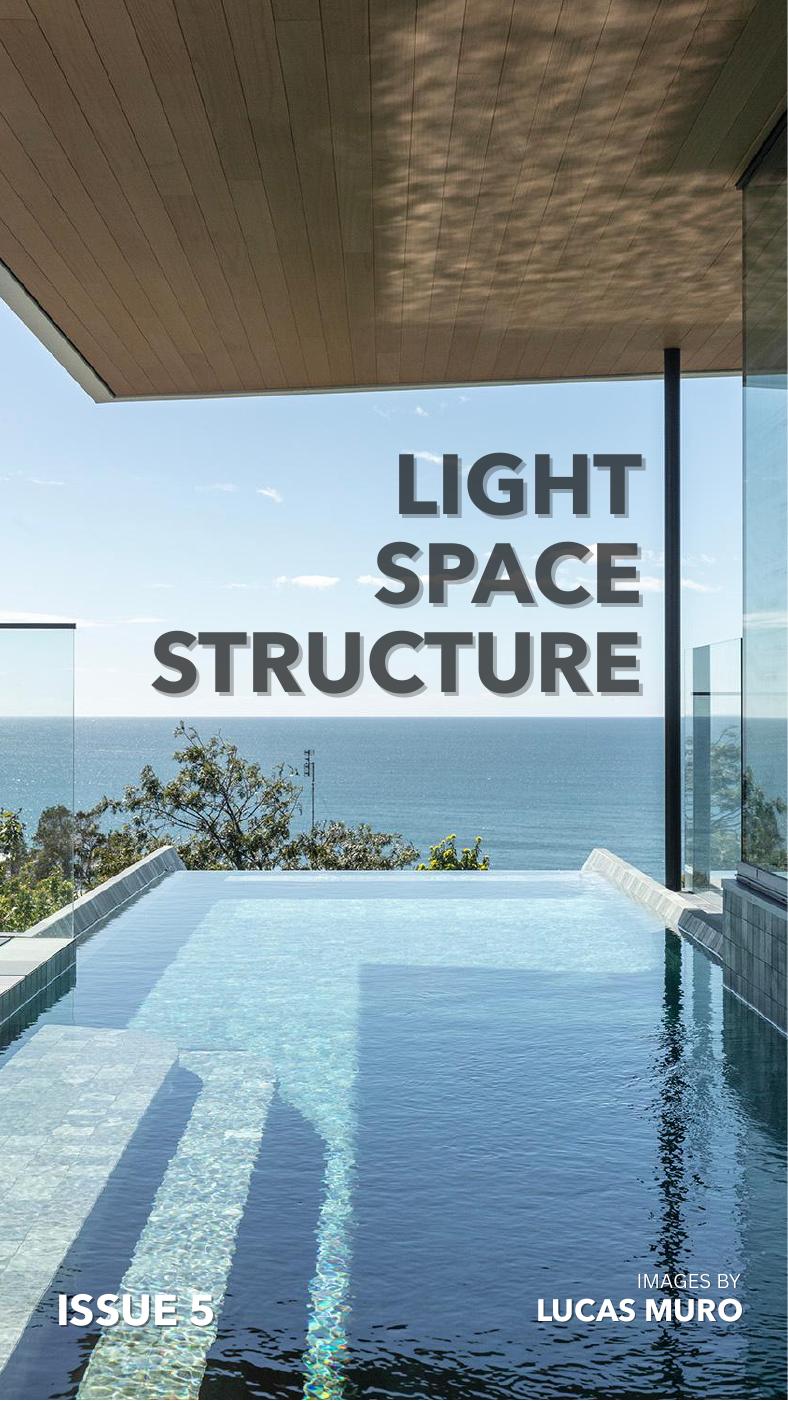
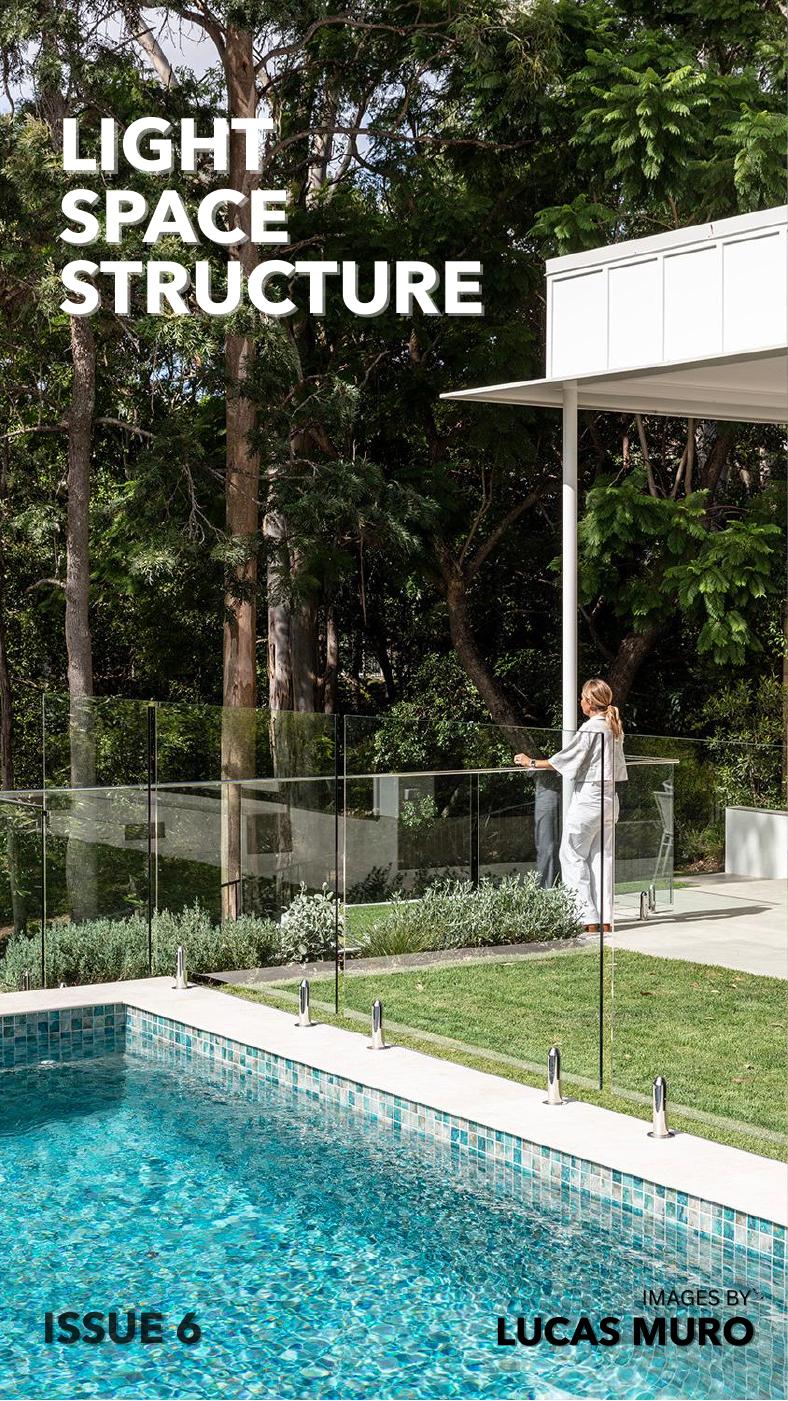
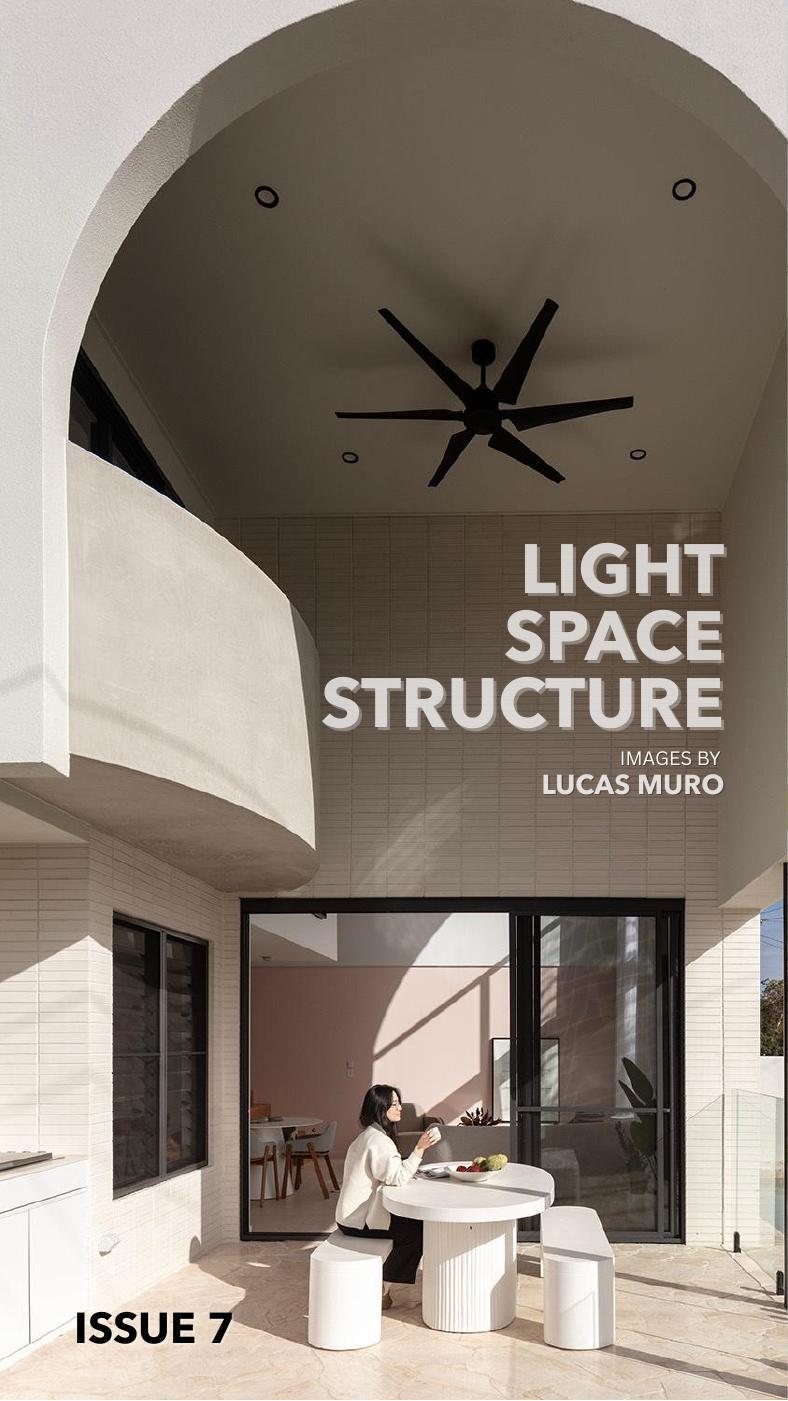
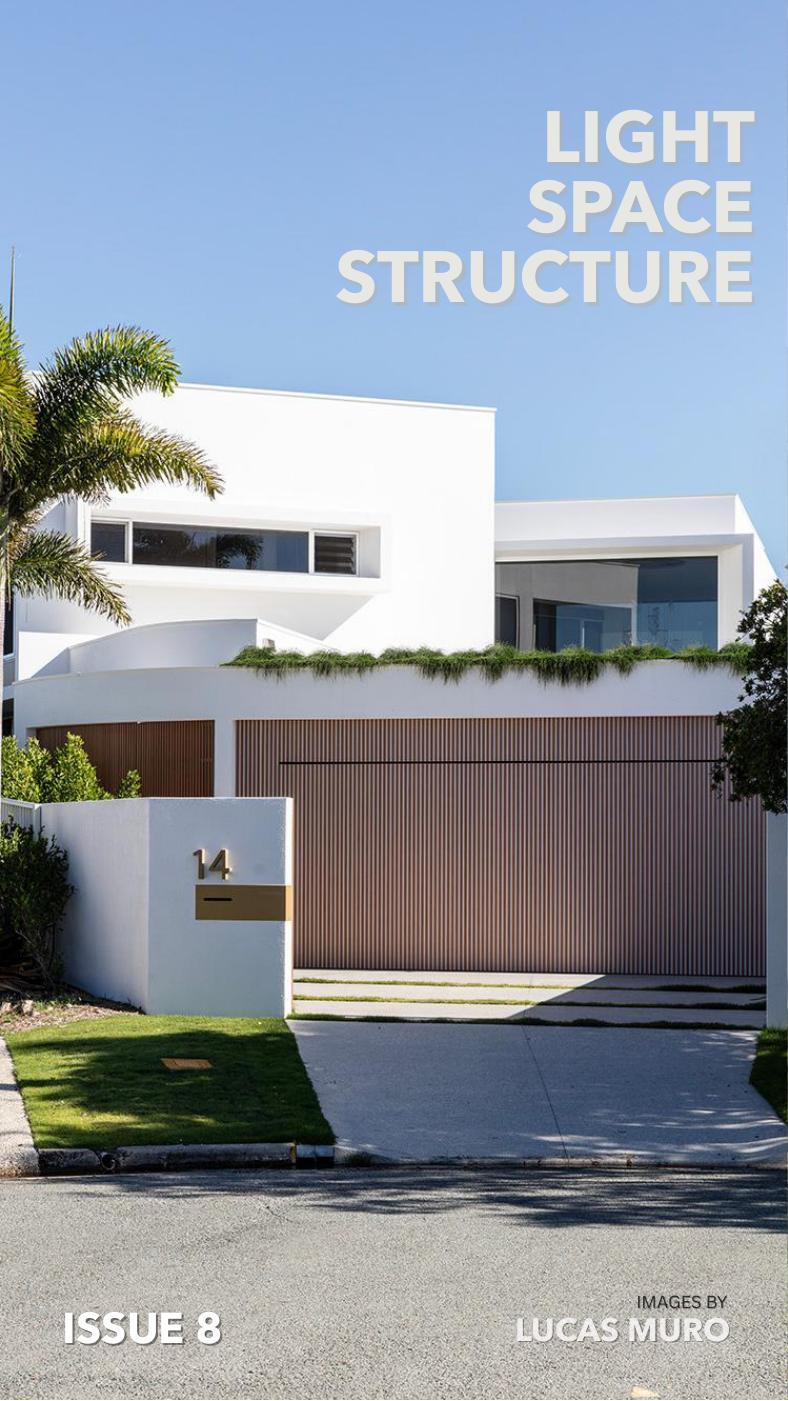
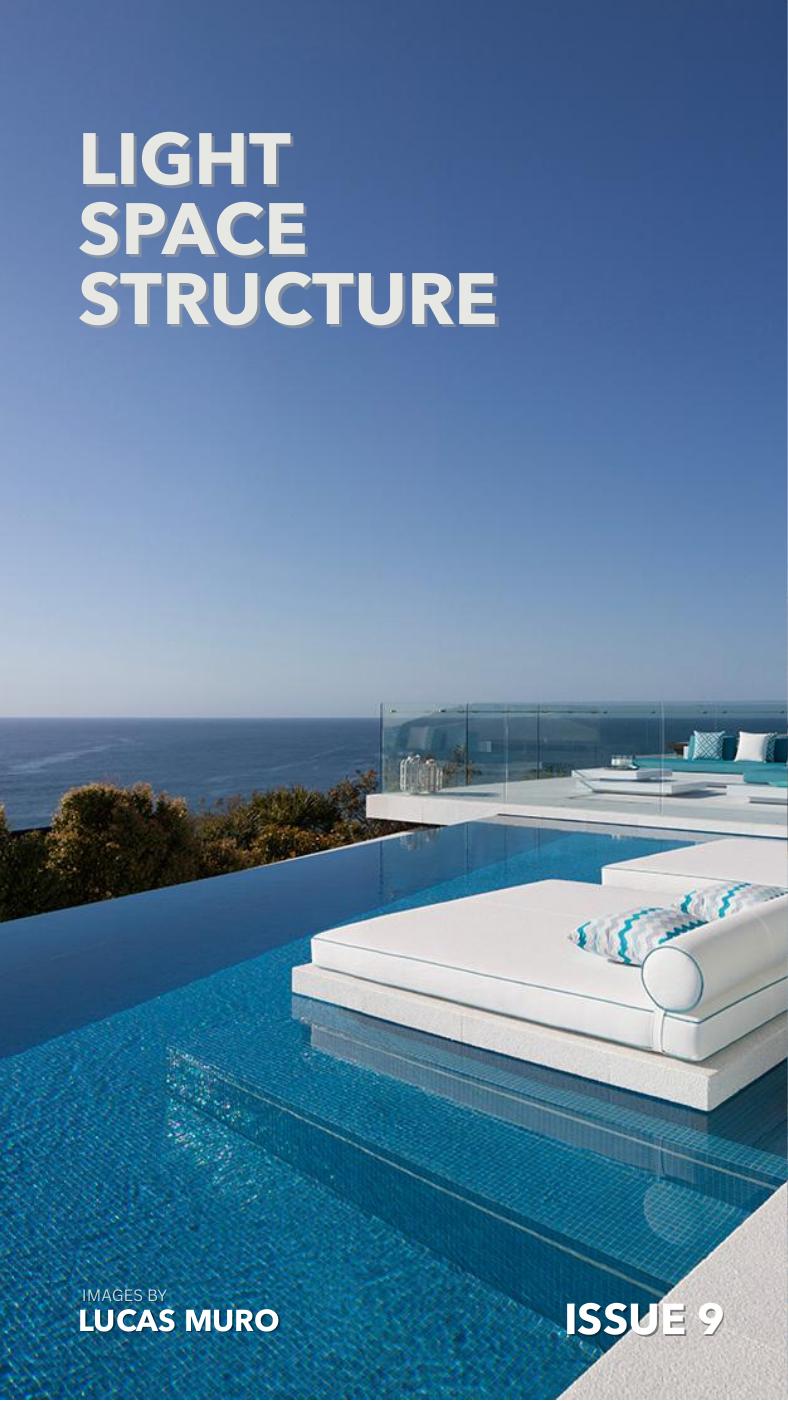
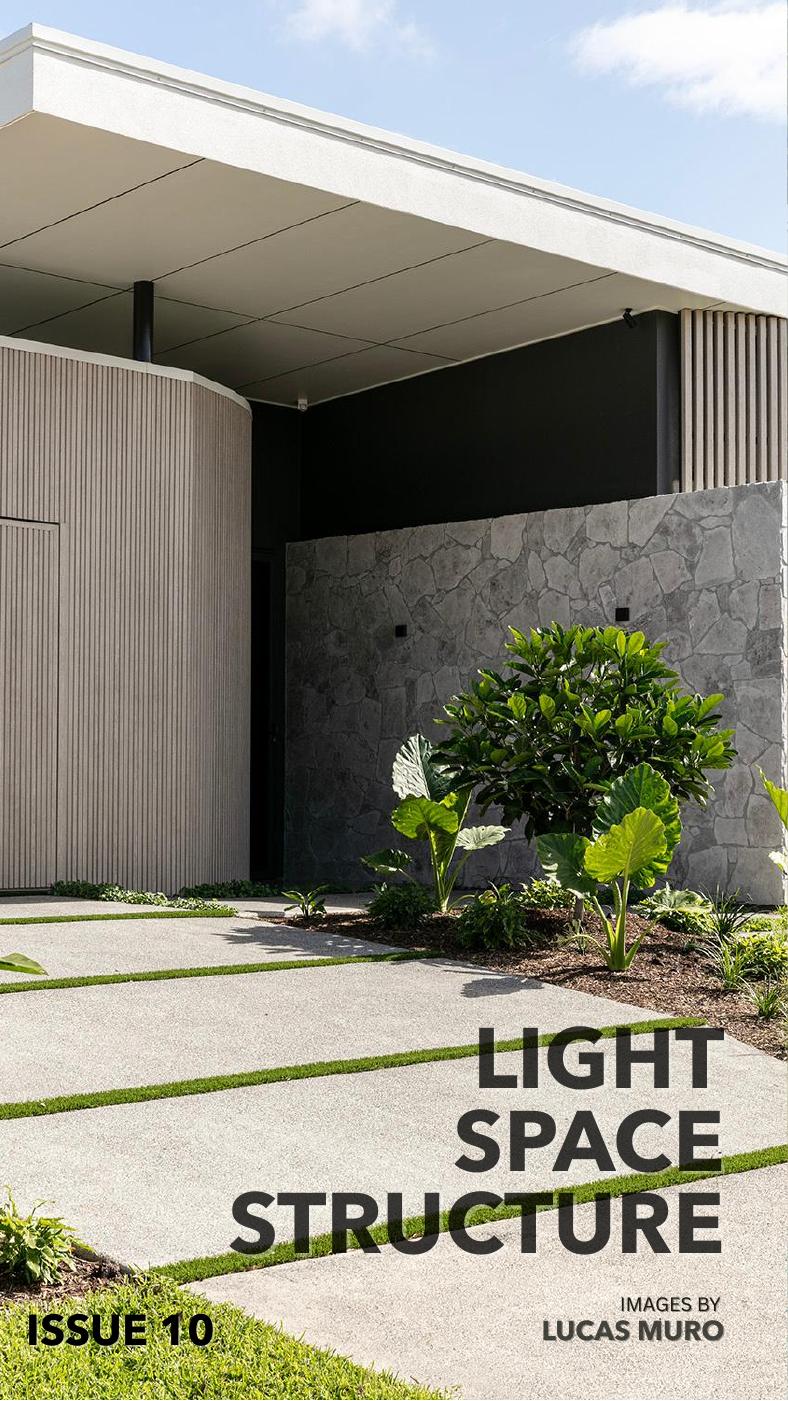
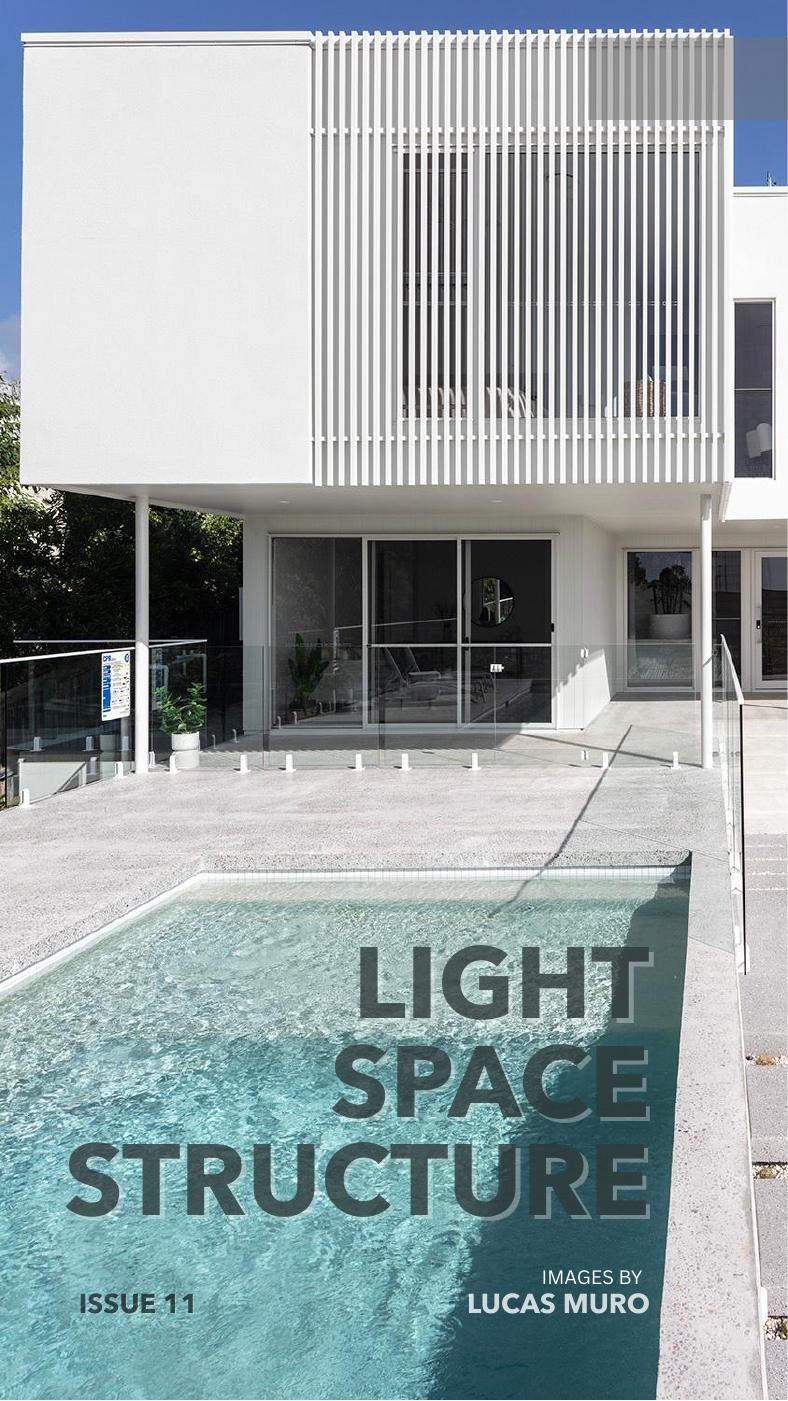
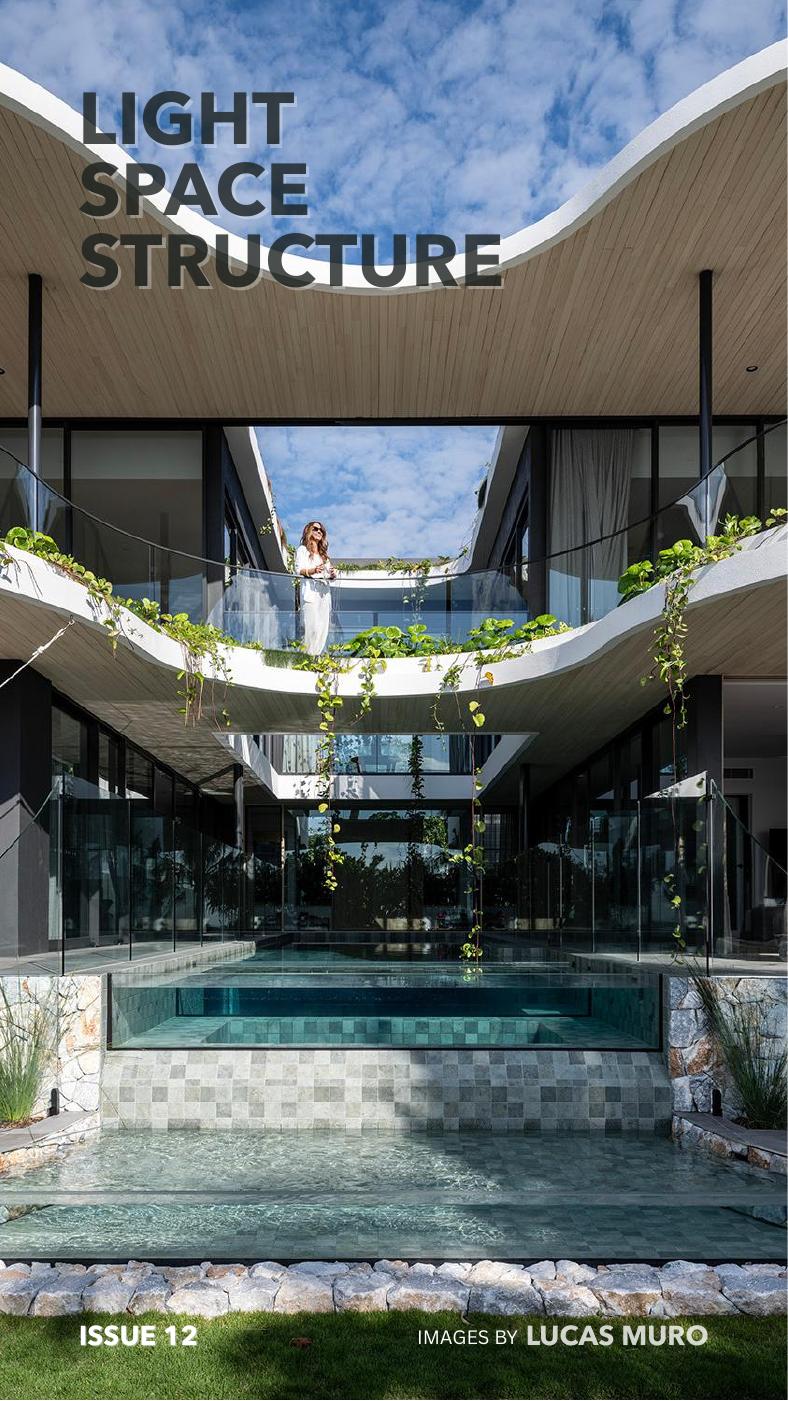
Photographing the built environment for architects, designers and hospitality brands across Australia.


A working selection across residential, commercial and hospitality commissions.
Request full portfolio →
Lucas Muro is an architectural and interiors photographer working across Queensland, New South Wales, Victoria and South Australia since 2004.
His work sits at the meeting point of documentation and craft — precise enough for the architect, evocative enough for the campaign. Each commission is approached as a study of how a space holds light through the day, and how material, line and shadow can be composed into a single, quietly confident frame.
The result is imagery that lifts a project above its competition: published in press, entered into awards, and trusted by some of the country's most recognised hospitality and design brands.
Architectural and interiors photography across Queensland, New South Wales and Victoria: how a shoot works, which option suits your project, and what to expect on the day.
An architectural and interiors photographer documents a finished building or interior so the design intent is clear: the proportions, materials, light and the decisions behind them. The images are made for architects, interior designers and builders to use on their websites, in award entries, in publications and on social media, rather than to sell a single property. Lucas Muro, with more than 20 years of experience and hundreds of projects photographed across Queensland, New South Wales and Victoria, plans each shoot around the project itself, its orientation, its light and the story the designer wants told.
Real estate photography is made to market a property quickly: wide, bright, evenly lit images that show every room and sell a listing. Architectural and interiors photography is made to represent the design: considered compositions, controlled verticals, natural tonality and a clear point of view on materials, joinery and form. The images are used for years in portfolios, publications, awards and brand marketing rather than for the length of a listing. The two serve different clients, so they follow a different brief, a different pace and a different approach to light.
In real estate work, rooms are often lifted with flash, bulb blending or HDR so every space reads bright and even. In architectural photography, natural light is the primary source. The photographer studies how daylight enters the building, how it moves across surfaces through the day, and chooses the moment each space looks its best. This keeps the colour of timber, stone, tile and paint true, preserves shadow and depth, and shows how the architect resolved light. It also means the schedule is led by the sun, which is why the order of rooms and the time of day are planned in advance.
A real estate shoot is typically built for speed, moving through a property in a short visit. An architectural or interiors shoot is slower by design. Each room is composed, styled and refined, and the photographer often returns to the same space as the light changes, so one room may be photographed more than once in a day. That is why Lucas Muro works in Half Day and Full Day shoots rather than short visits. The extra time on site is what produces images that show the design properly, with natural light, correct perspective and details placed where the designer intended.
A Half Day Shoot suits smaller projects, such as apartments, units and compact renovations, where the number of spaces and the light conditions can be covered well in a shorter window. A Full Day Shoot is recommended for larger homes and multi-level or multi-zone projects, because it allows time to follow the natural light around the building, photograph exteriors and interiors at their best moments, and work through each space without rushing. The right option depends on the size of the project, the number of rooms and aspects, and how the light behaves on the day.
As a guide, apartments, units and smaller interior projects are usually well served by a Half Day Shoot. Larger residential projects, such as multi-bedroom homes, projects with significant exteriors, landscaping or several living zones, are best photographed over a Full Day so the light can be captured properly across the whole building. If you are unsure, send through the plans, the address and the key spaces you want featured, and a recommendation will follow based on size, orientation and what the images are needed for.
Lucas Muro, based on the Sunshine Coast, Queensland, photographs architecture and interior design projects across QLD, NSW and VIC. Regular work areas include the Sunshine Coast, Brisbane, the Gold Coast, Sydney and Melbourne, along with the regions between and around them, and travel is part of the job. Where possible, shoots in the same city are grouped so a studio with several completed projects can have them photographed in one trip. Architects, interior designers and builders working interstate book through the same process, with the same approach to natural light and the same Half Day or Full Day options in every state. Send through the location, the number of projects and your preferred timeframe, and the logistics can be planned from there. Projects outside these areas can be discussed.
Book once construction is complete, the cleaning is done, the furniture and styling are in place and, where relevant, the landscaping has had time to establish. Photographing too early can mean returning later, so it pays to plan the date with the designer and builder. It also helps to enquire early, particularly for projects in different states, so the shoot can be matched to the season, the orientation of the building and the best light for its key spaces.
Aim for a project that looks as the designer intended. Clean glass, windows and surfaces, clear away building materials and personal clutter, and have furniture, soft furnishings, art and greenery in place. Share the plans, any key features or materials to highlight and the intended use of the images ahead of time. On the day, access to every space, plus a person who knows the project, makes the schedule run smoothly. A short pre-shoot conversation helps plan the order of rooms around the light.
It is not essential, but it helps if the architect, designer or builder is available at the start of the day for a walkthrough, to point out the features that matter and to confirm any styling preferences. After that, the photographer works independently so the light can be followed without interruption. For homes still occupied by the owners, it is best to agree in advance on access, pets, vehicles and which spaces are to be photographed.
Lucas Muro retains copyright, and the commissioning client is granted a licence to use the images. Licensing is agreed before the shoot so everyone knows how the images can be used. Other parties credited on the project, such as builders, joiners, tile and material suppliers, landscapers or the architect, usually need their own licence to publish the images. Raising this early avoids confusion later, and it is simple to arrange when the photographer is told who will want to use the work.
Look for a portfolio of work in your own field, consistent natural colour and accurate verticals, and a photographer who understands how a building is designed and built. Ask how the shoot is planned around light, how long is spent on site, what shoot options are available for your project size, how licensing works and whether they have experience in your state. A conversation about the project before booking is a good indicator of how the shoot will run.
Strong project photography is often the first thing a prospective client sees. Practices use it on their websites, in proposals and portfolios, in award and publication submissions, on Instagram and LinkedIn, and in newsletters or e-magazines. Because architectural images represent the design rather than a single listing, they keep working for years. A consistent set of images across projects also builds a recognisable visual identity for an architect, interior designer or builder.
Send through the project address, the type and size of the project, the key spaces you want photographed, any dates that suit and how the images will be used. From there, the right option, Half Day or Full Day, can be recommended based on the size of the project, and the shoot can be planned around the natural light on the day. Enquiries for projects in Queensland, New South Wales and Victoria are welcome.
Tell me where the project is, who designed it and roughly when it finishes. I'll come back with the light windows that work and what a shoot involves.
See available times